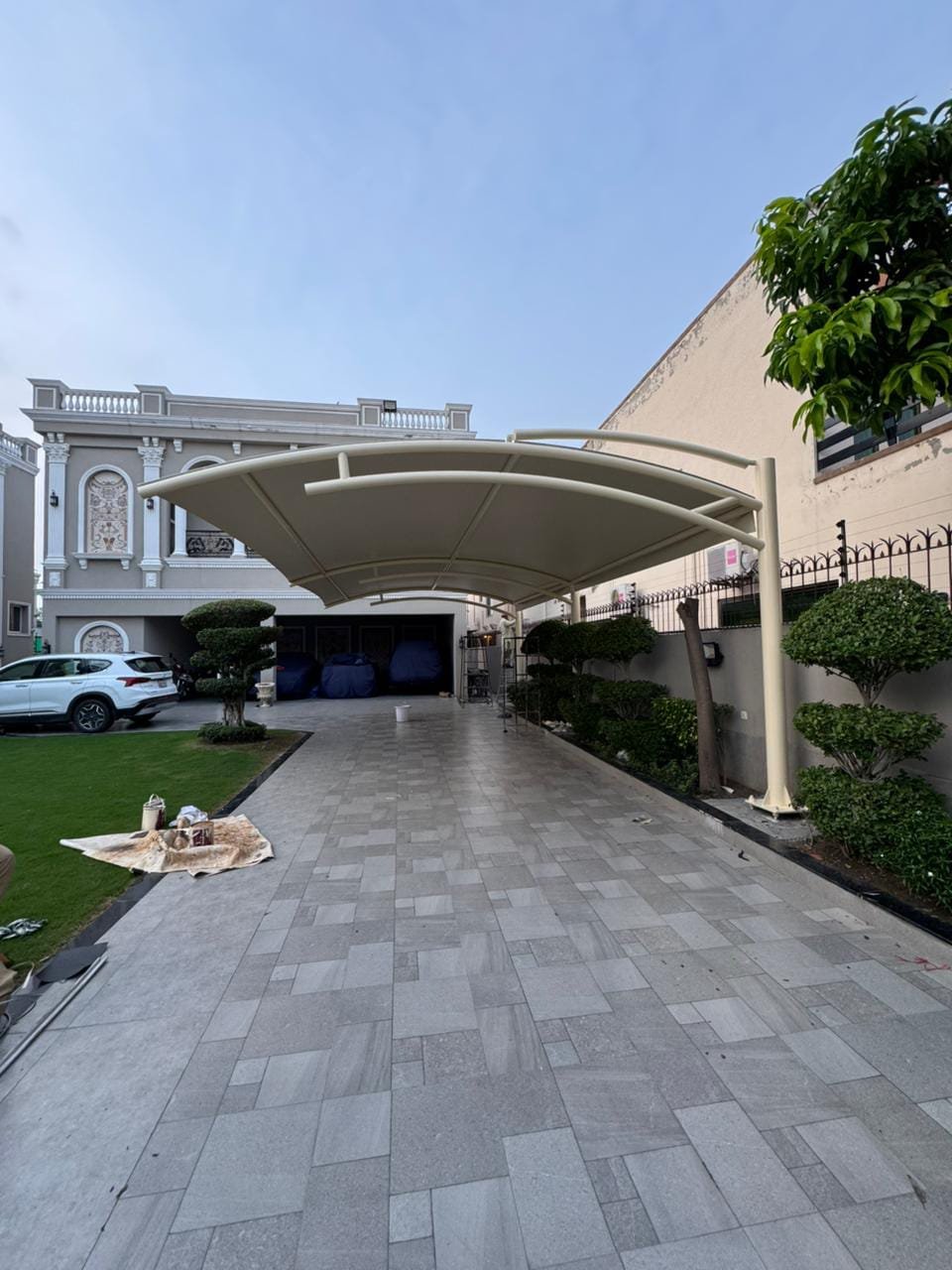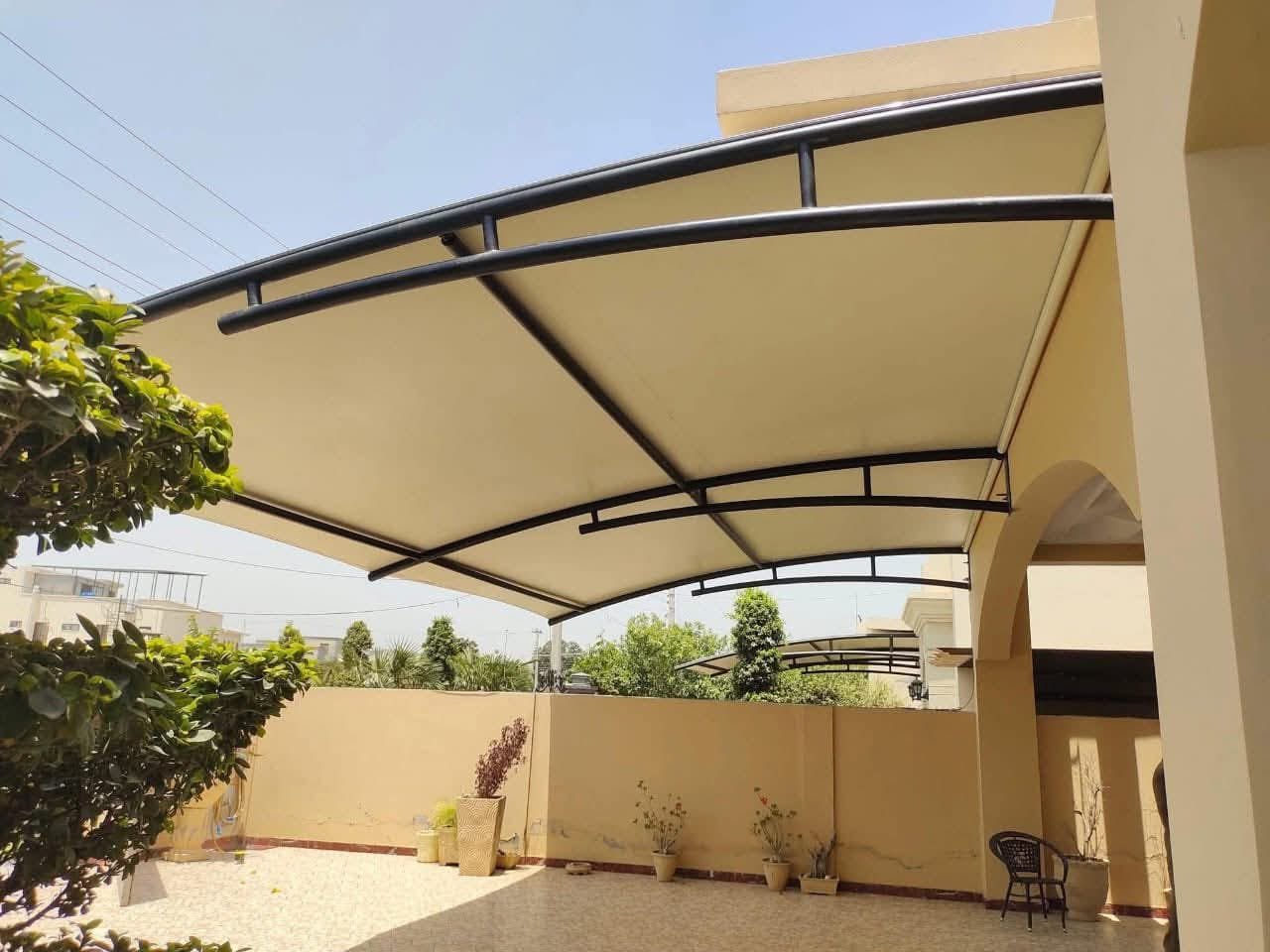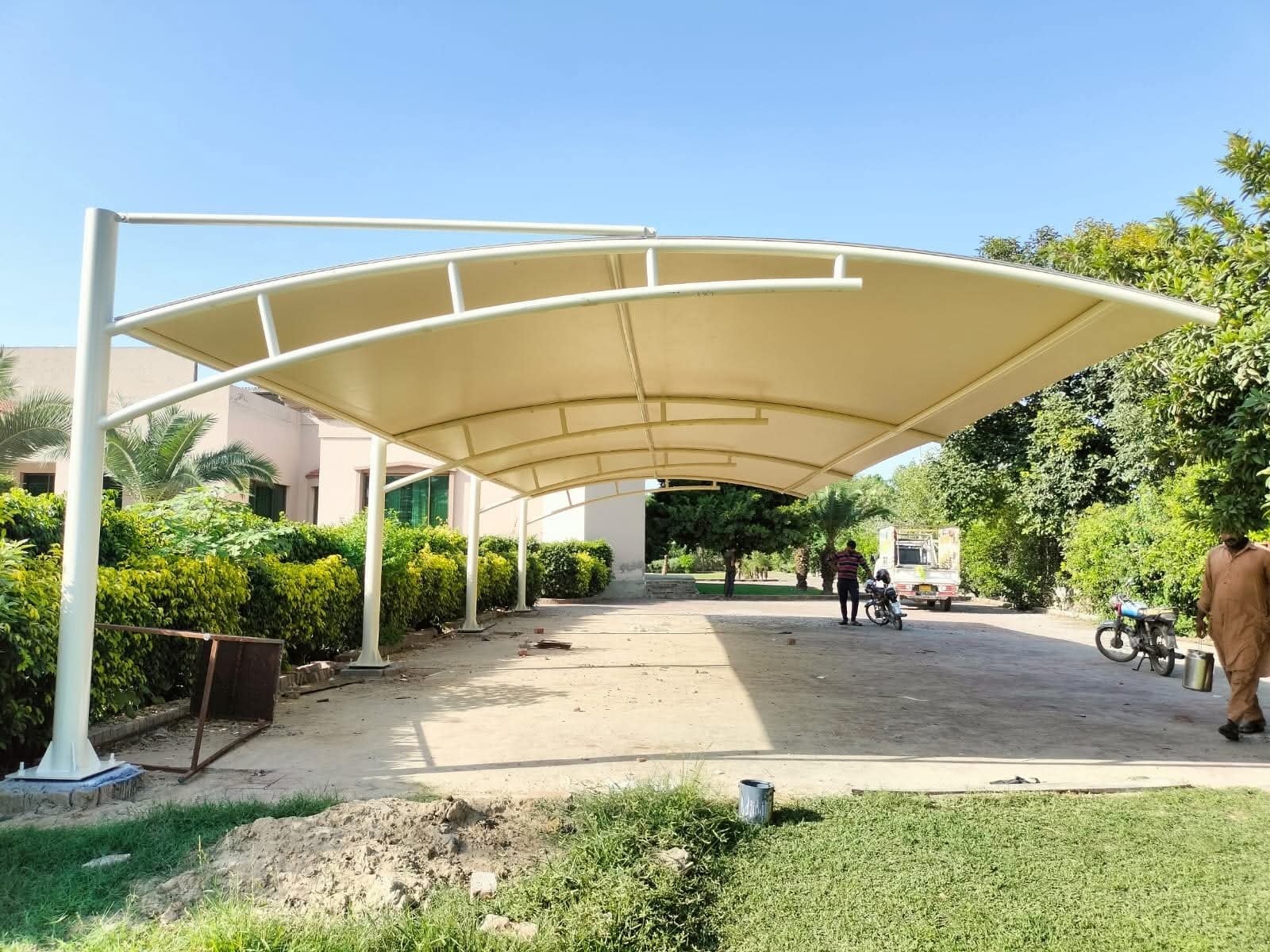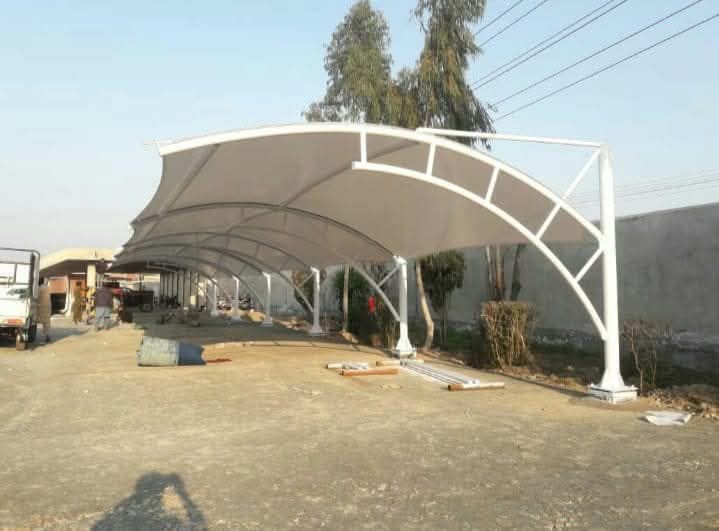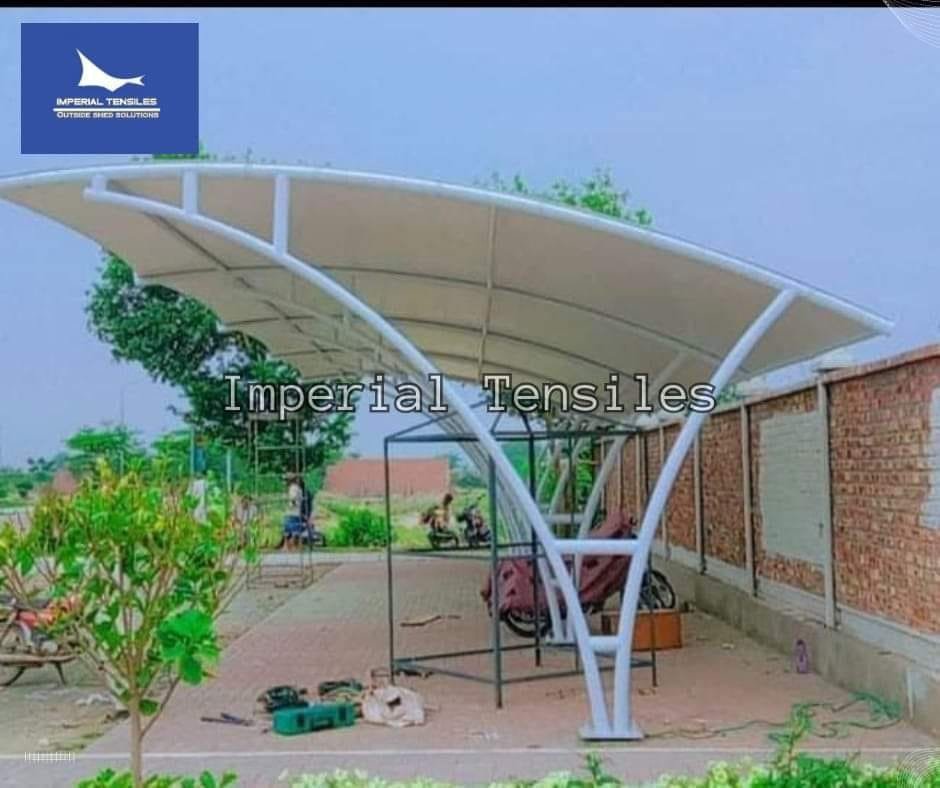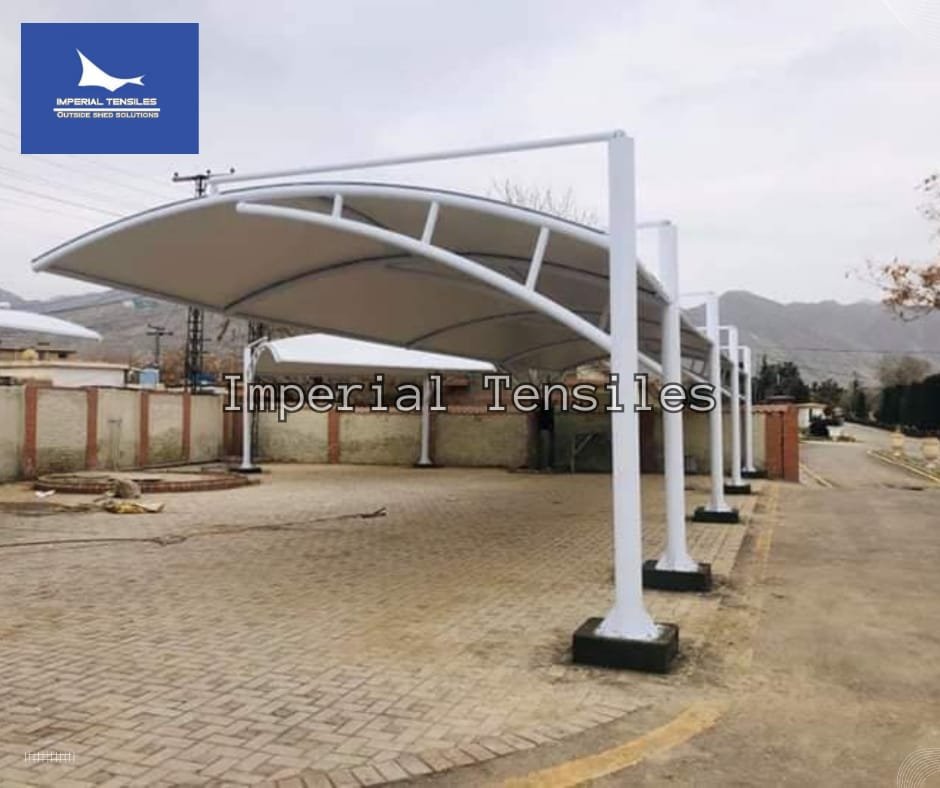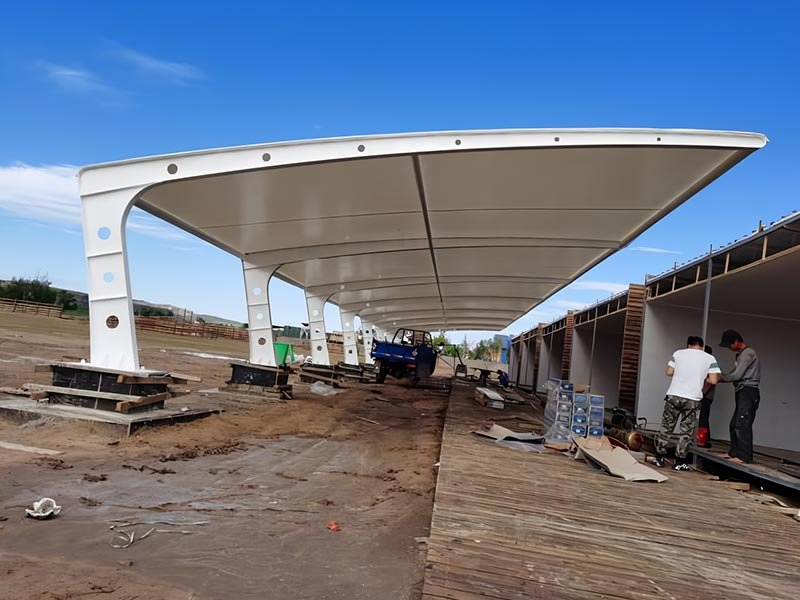
Every summer, many parts of Pakistan face sudden dust storms (andhi) and strong winds, followed by monsoon rain. Tensile structures are designed to handle these forces, but only when they are planned and installed correctly. Understanding how wind acts on fabric helps you choose a safer design and spot problems early.
How Wind Acts on a Tensile Shade
A tensile shade behaves like a sail. Wind pushes on one side and creates suction on the other. This creates two kinds of force:
- Uplift: wind tries to lift the fabric and the frame upwards — this pulls on the foundations.
- Lateral (sideways) force: wind pushes the structure sideways — this bends columns and stresses joints.
The fabric transfers these forces through its edges and corners into cables, steel members and finally the foundations. A weak link anywhere in this chain can fail.
Common Reasons Tensile Structures Fail in Storms
- Loose fabric: slack fabric flutters and creates repeated shock loads that tear corners and loosen fittings.
- Undersized steel: thin pipes or sections bend under strong wind.
- Shallow or small foundations: uplift can pull footings out of the ground.
- Poor corner fittings: corners carry the highest loads; weak plates or stitching tear first.
- Water ponding: a flat area holds rain water, adding weight just when wind is also strong.
- Lack of maintenance: rusted bolts, loose turnbuckles and small tears grow over time.
Design Features That Improve Wind Safety
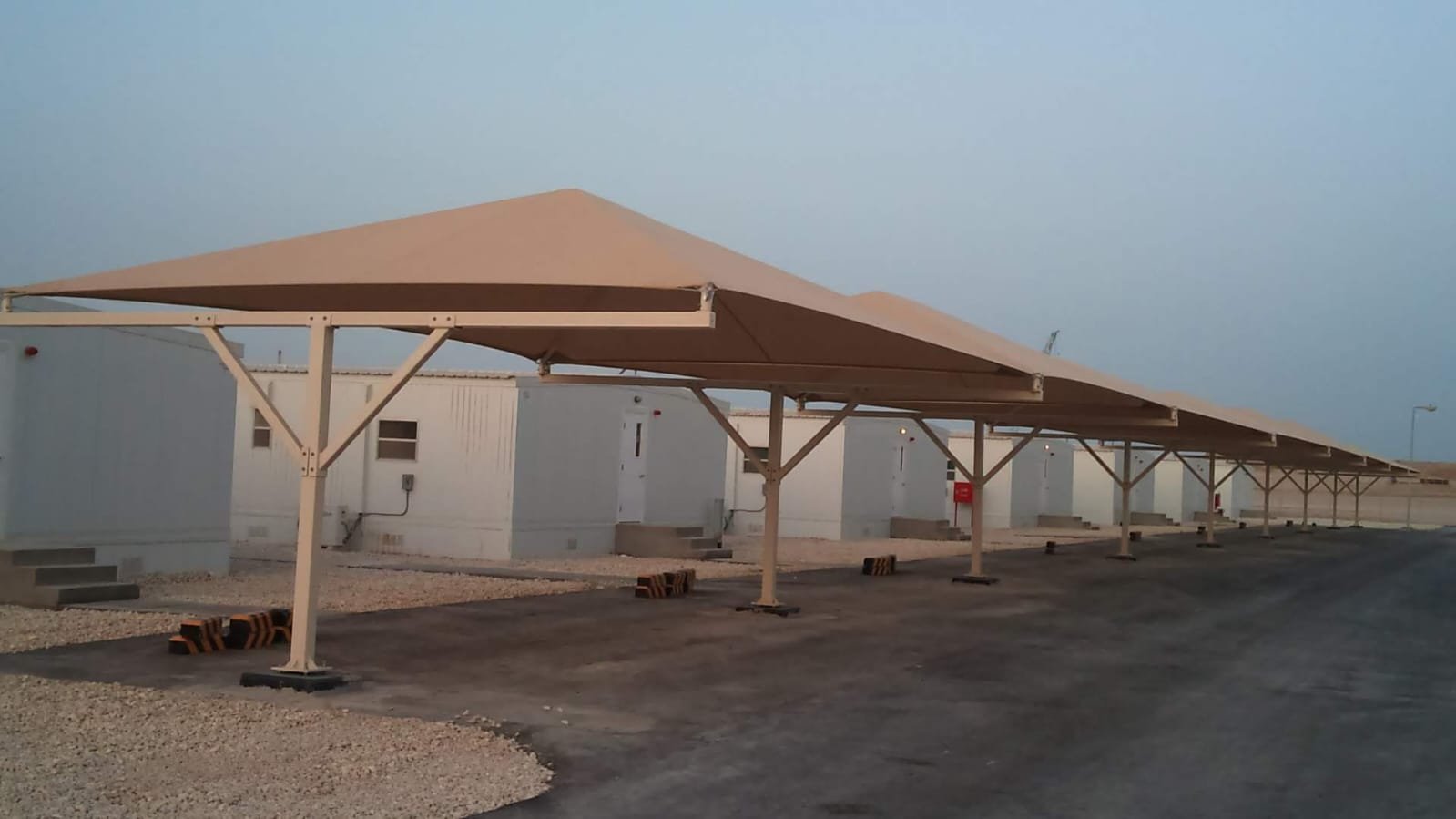
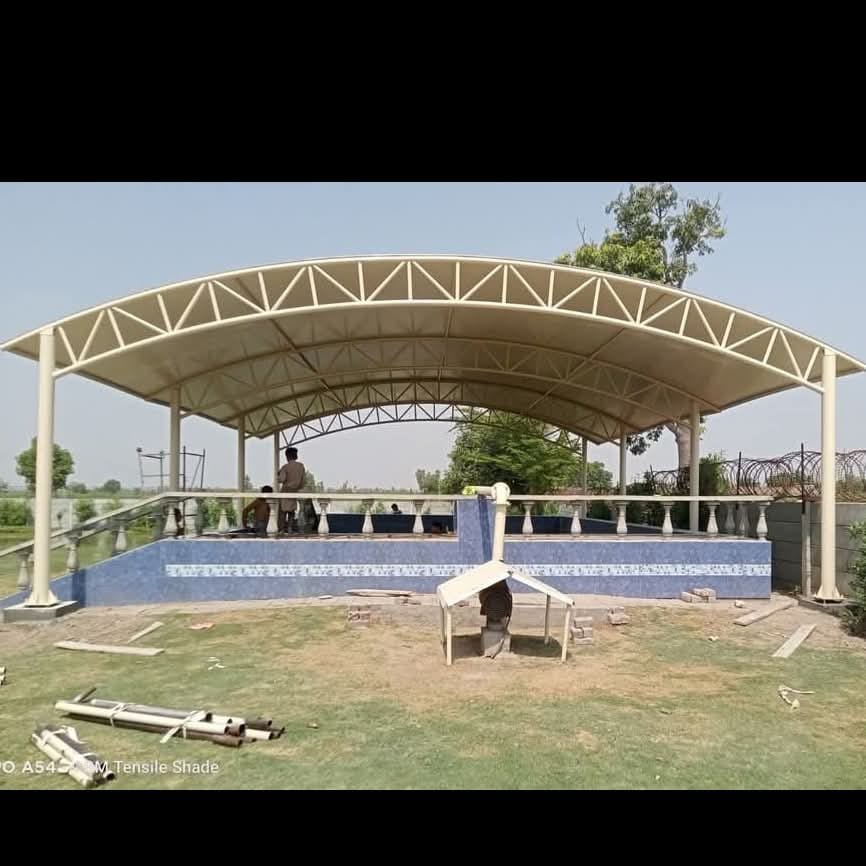
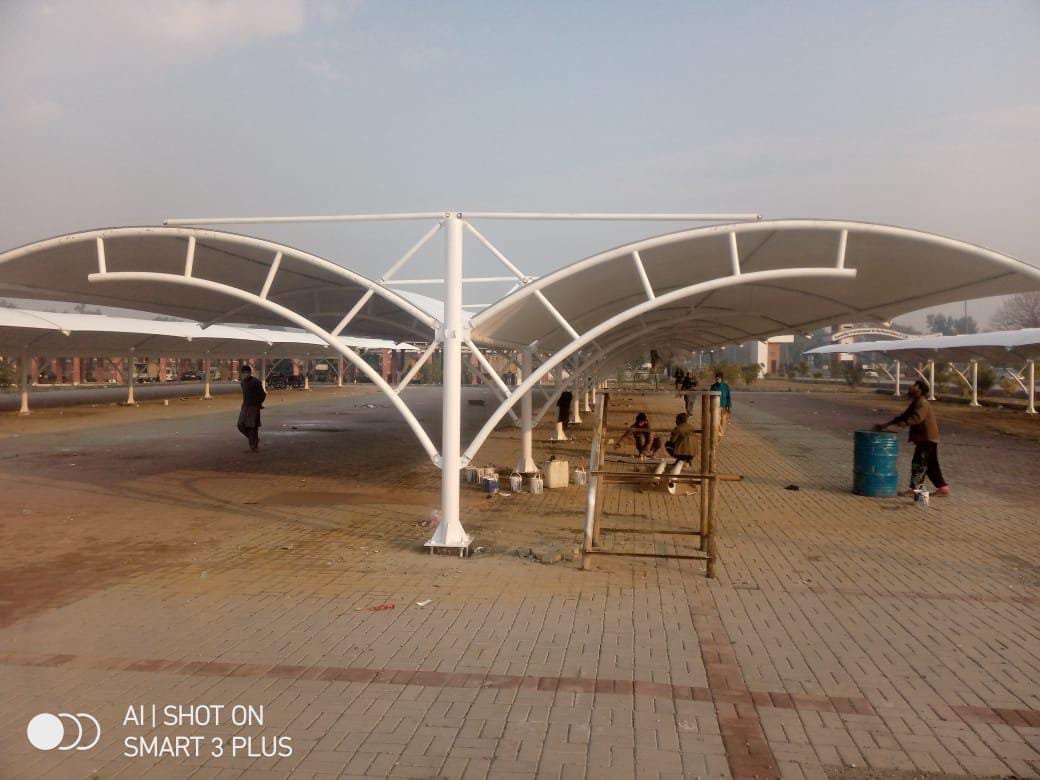
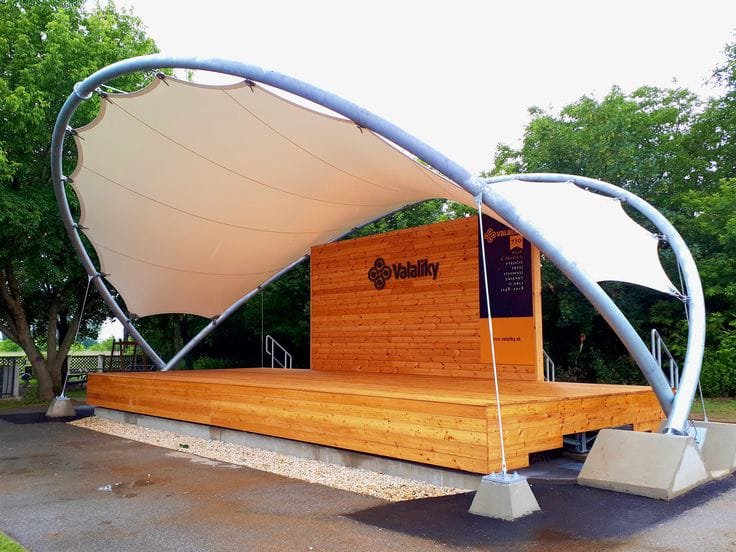
- Proper curvature: double-curved shapes like hypars and cones are naturally stiffer than flat fabric.
- Correct pre-tension: fabric should be tight and smooth, without wrinkles or flapping areas.
- Adequate steel sizes: columns and beams should be designed for the site’s exposure, not chosen only to reduce cost.
- Strong foundations: footing size and depth (or anchor bolts on slabs) must resist uplift.
- Reinforced corners: quality corner plates, webbing and edge cables spread loads safely.
- Good drainage slope: water should run off immediately.
Site Factors That Increase Wind Load
| Site | Why It Matters |
|---|---|
| Rooftops and upper floors | Wind speed increases with height |
| Corner plots and open fields | No buildings to block wind |
| Coastal areas (Karachi, Gwadar) | Strong sea winds and corrosion |
| Highways and open industrial zones | Large open areas around the structure |
If your site falls in one of these categories, mention it clearly when you ask for a quotation.
Dust: The Hidden Problem
Dust storms do more than push the structure. Dust settles on the fabric, adds weight, blocks drainage and slowly wears coatings. In cities like Lahore, Multan and Faisalabad:
- Wash the fabric after major dust storms.
- Clear gutters and drain points before monsoon.
- Consider PVDF-coated fabric for commercial projects, as its surface stays cleaner.
See our full tensile shade maintenance calendar.
What to Do Before and After a Storm
Before the storm season (April–May):
- Check fabric tension and tighten if needed.
- Inspect bolts, turnbuckles and corner fittings.
- Repair small tears.
After a strong storm:
- Look for new sagging, tears or bent members.
- Check that columns are still straight and base plates are tight.
- Do not climb onto the structure yourself — call a professional for repairs.
Retractable Shades in Windy Weather
Retractable and folding shades should be closed when strong wind is expected. They are designed for comfort, not for storm conditions in the open position.
Frequently Asked Questions
Are tensile structures weaker than steel sheet sheds?
Not when properly designed. Tensile structures are engineered to flex and carry loads through tension. Most failures come from poor installation or maintenance, not from the system itself.
How often should tension be checked?
At least once or twice a year, and after any major storm.
Can I add side curtains to my shade?
Side curtains increase wind load significantly. Only add them if the structure was designed for it.
Conclusion
Wind and dust are part of life in Pakistan, and tensile structures can handle them well. Ask the right questions about shape, steel, foundations and fabric tension, keep up simple maintenance, and your shade will stay safe through many storm seasons.