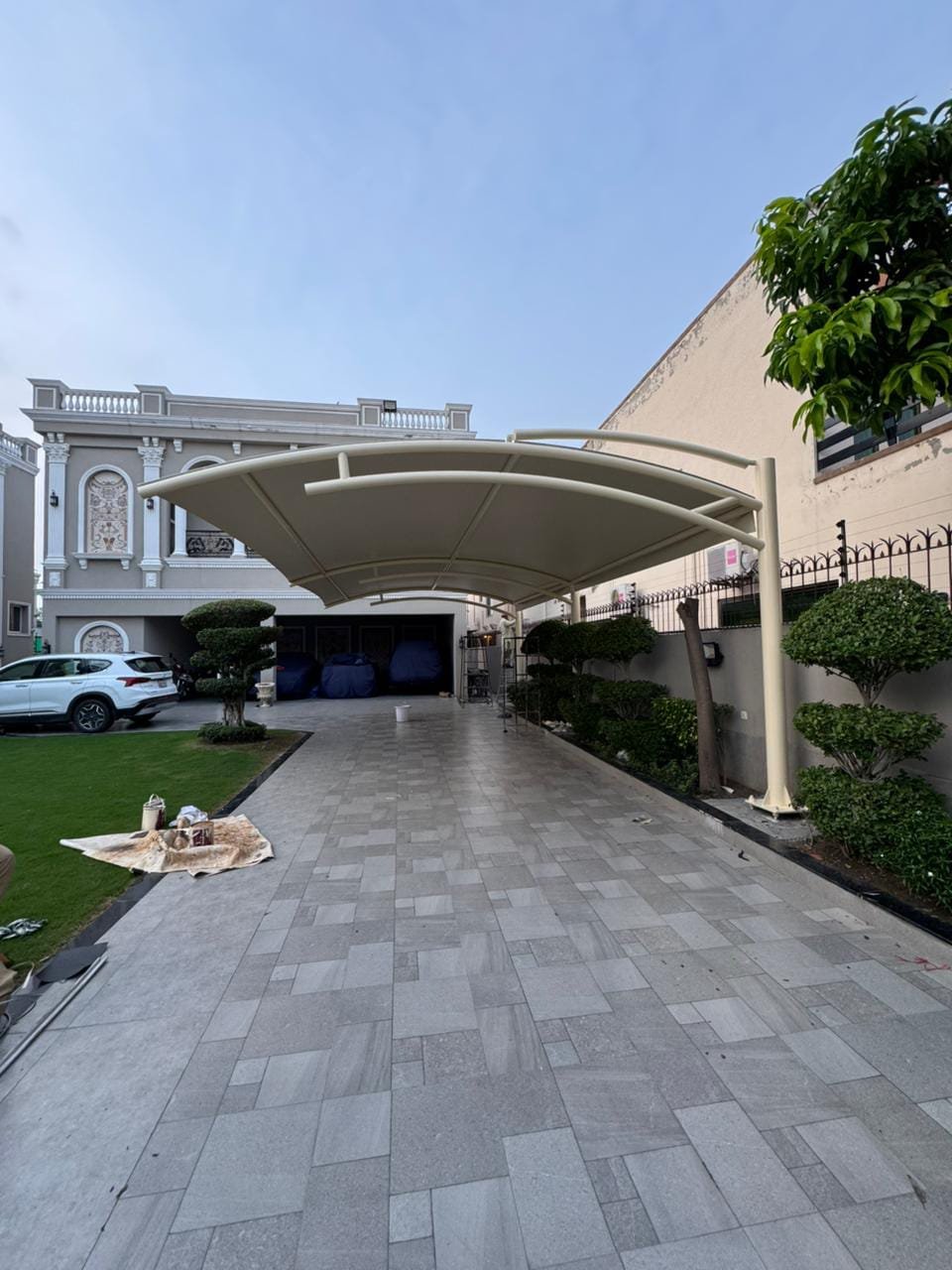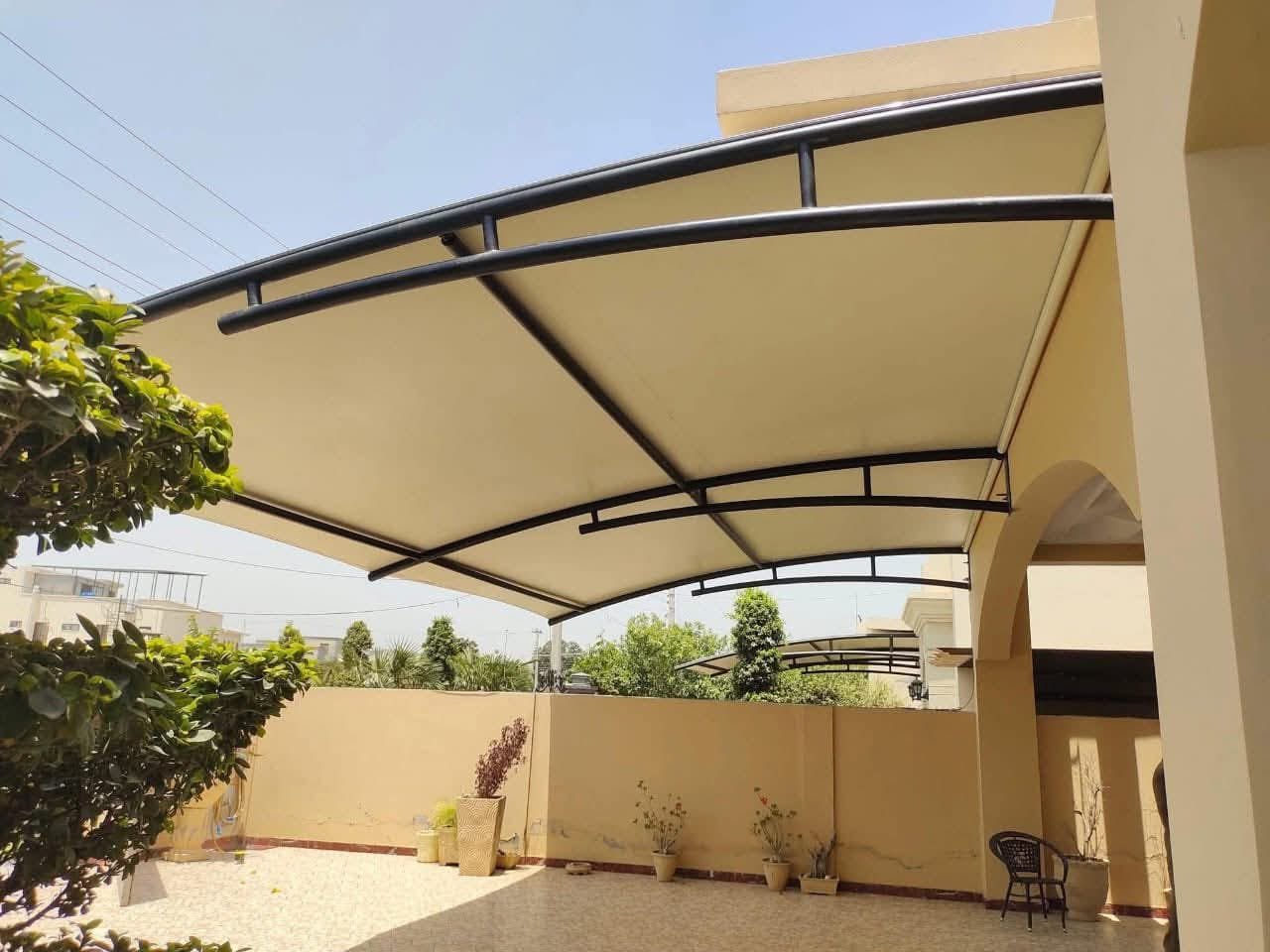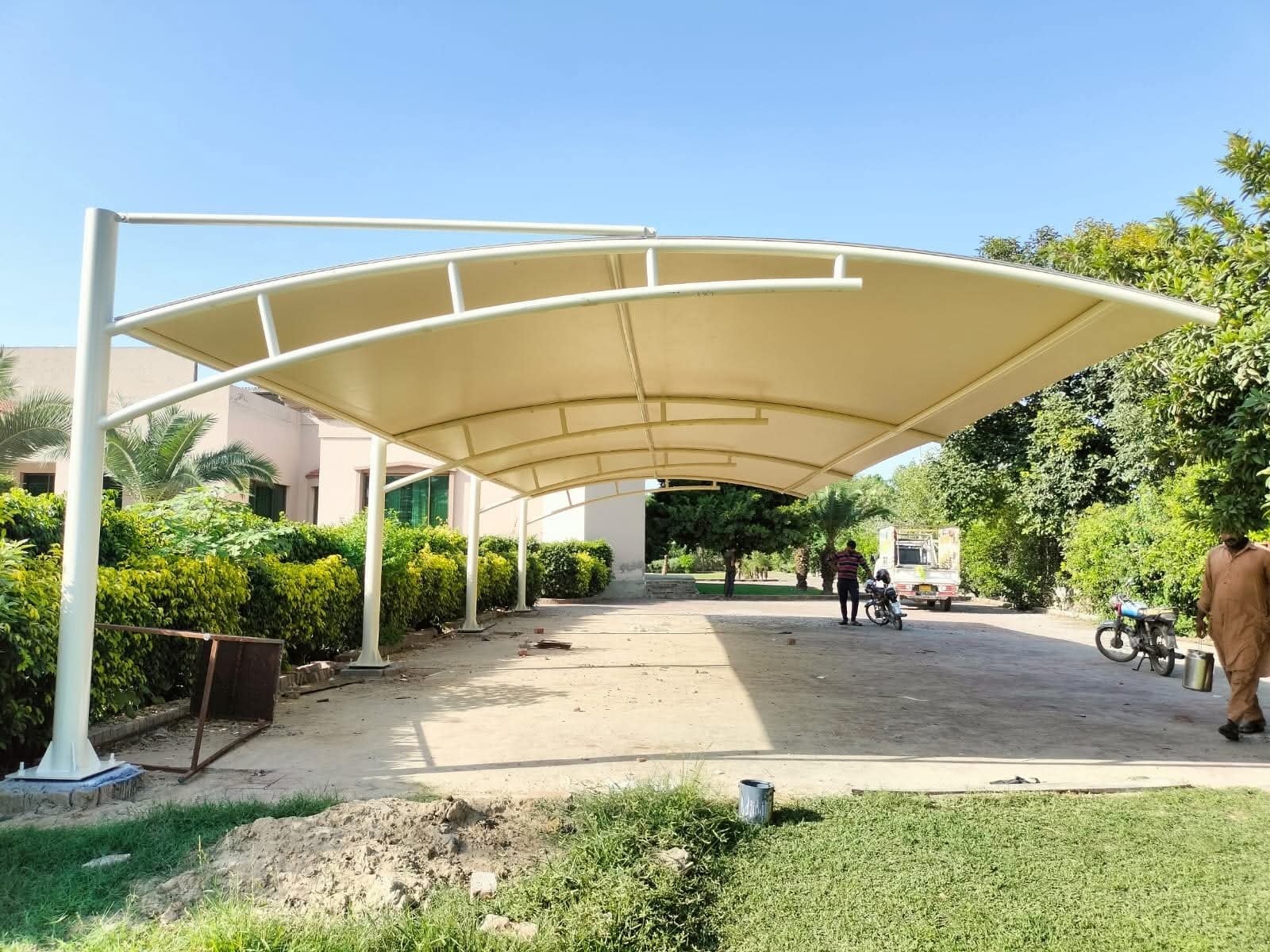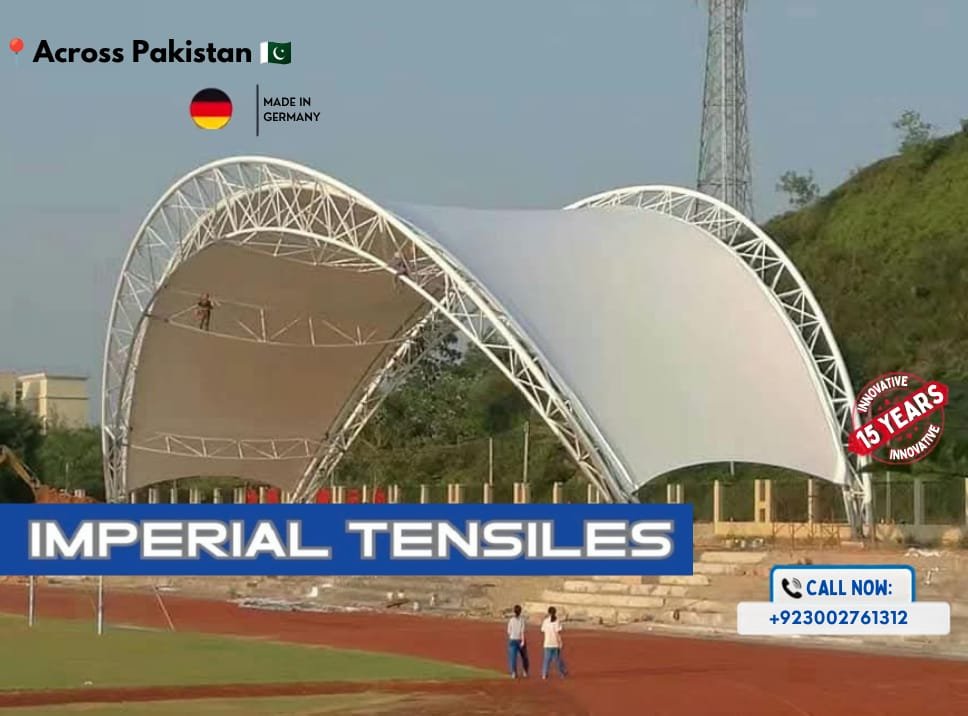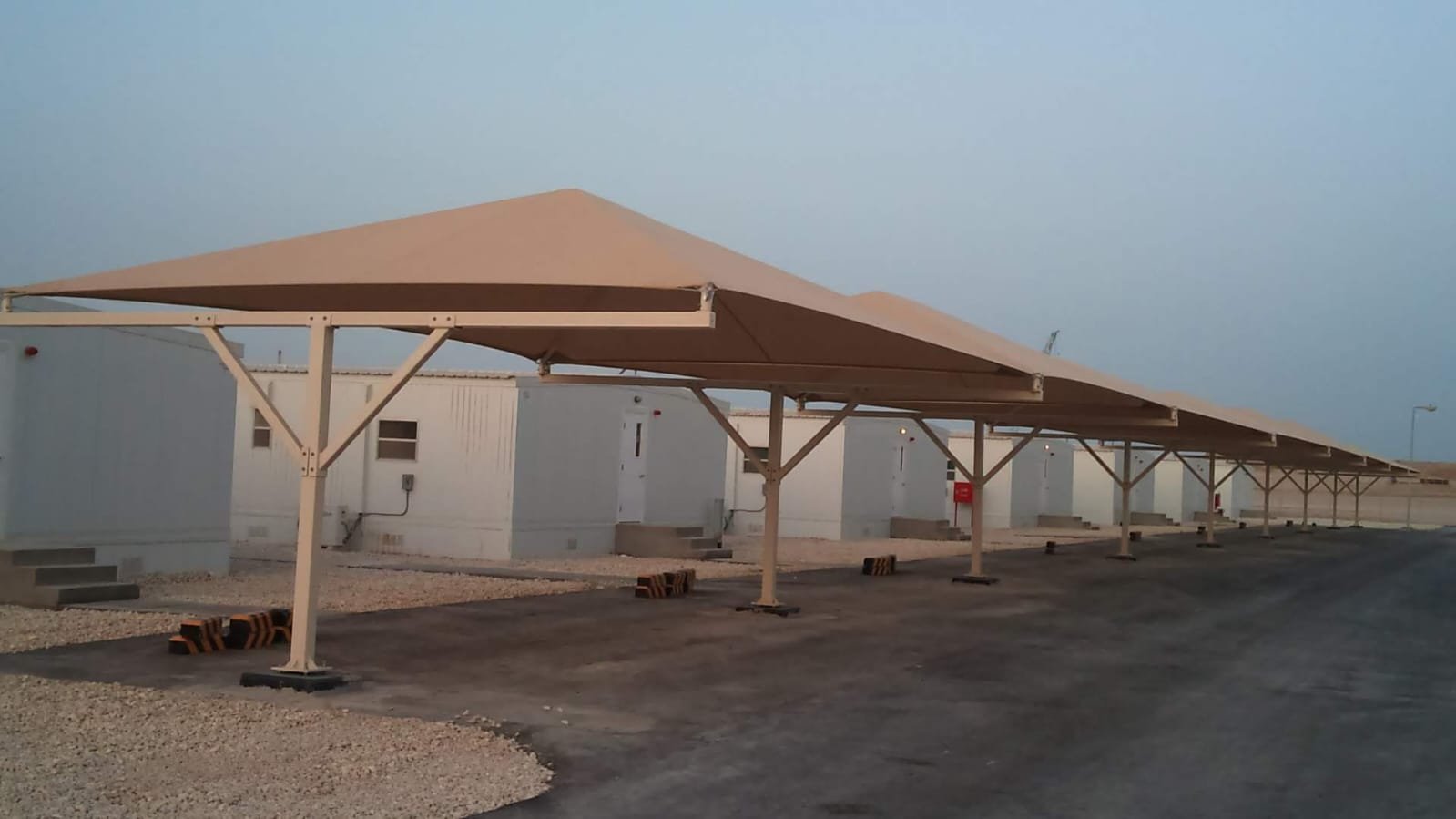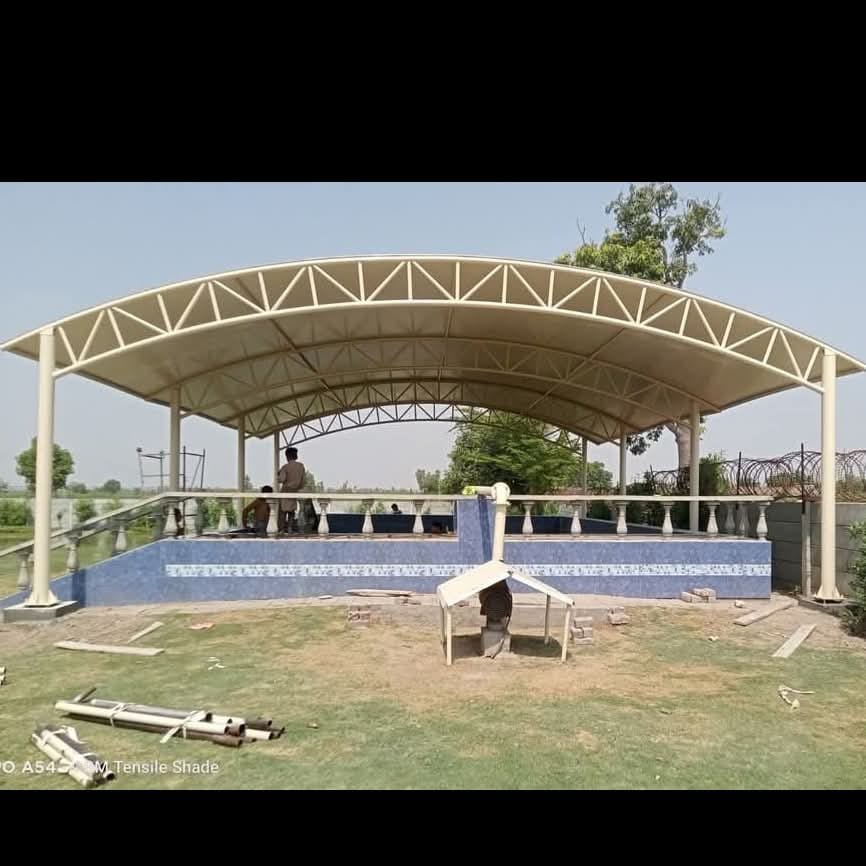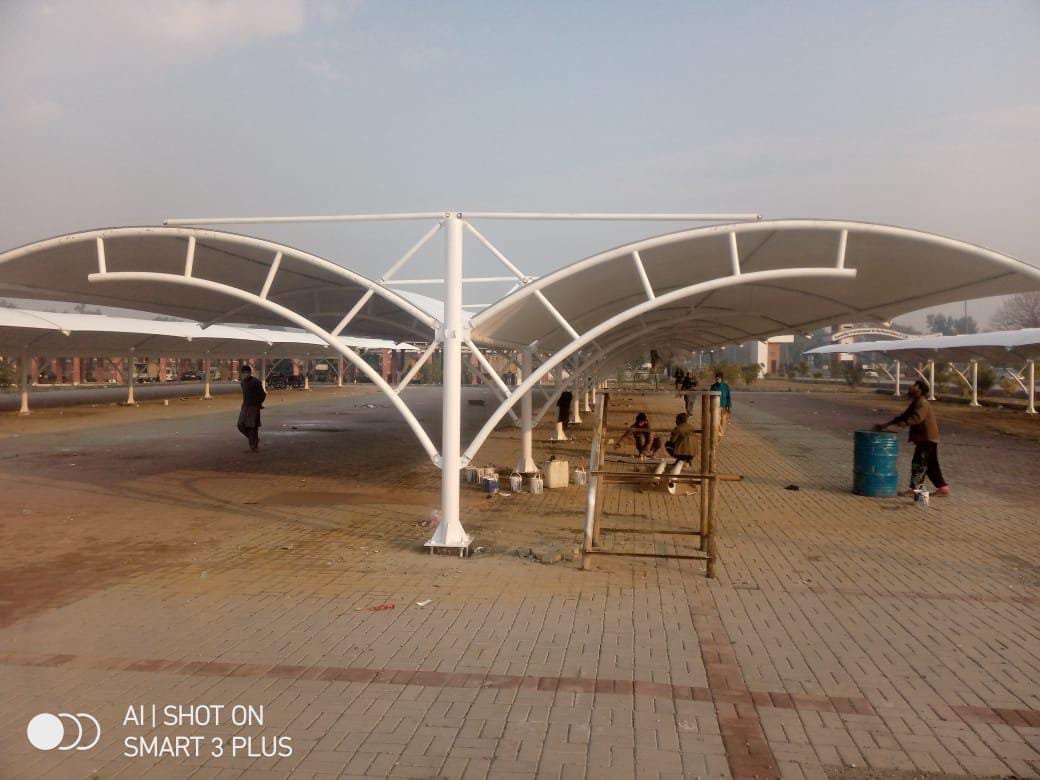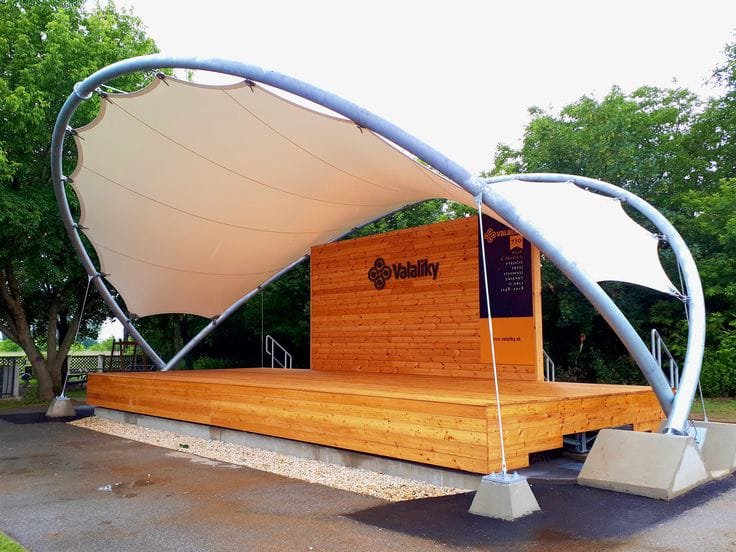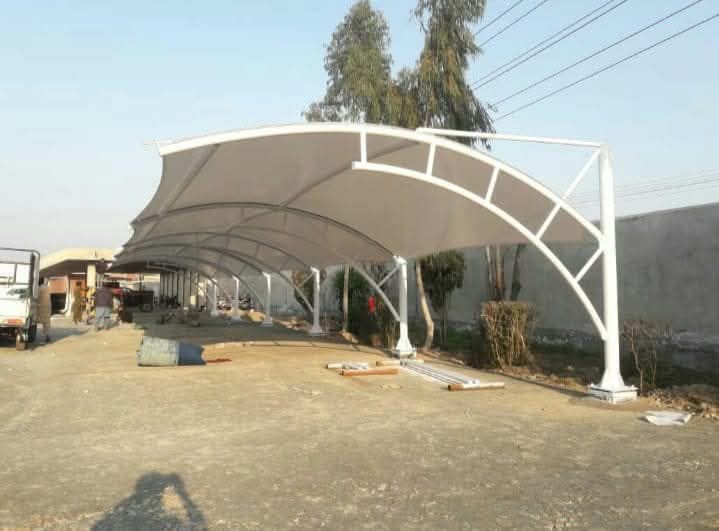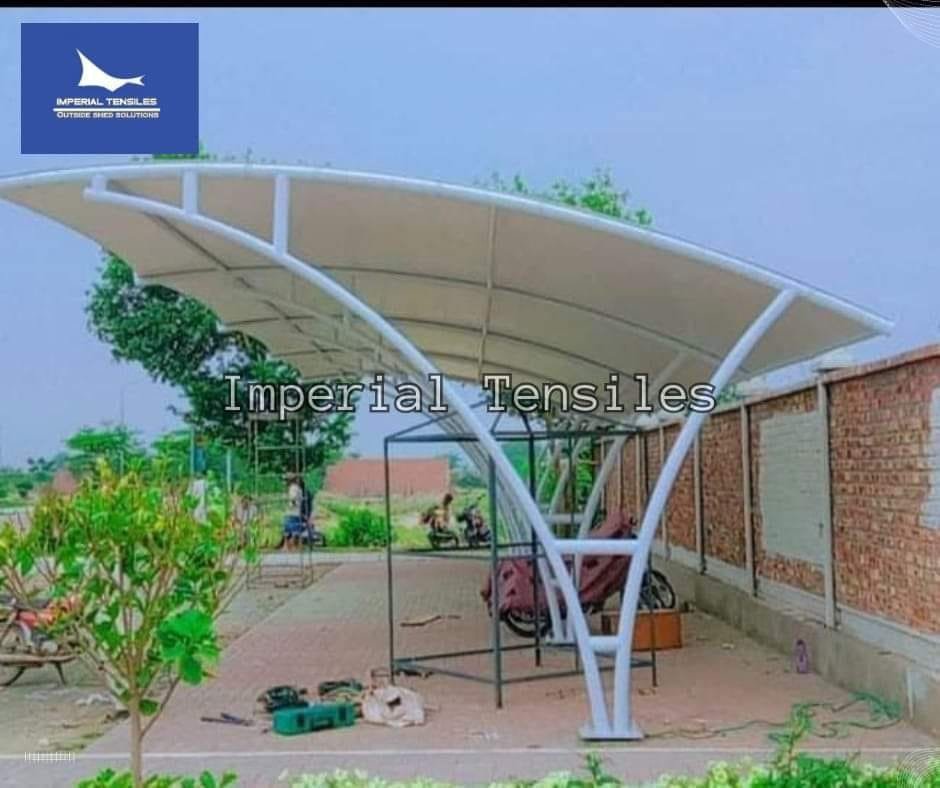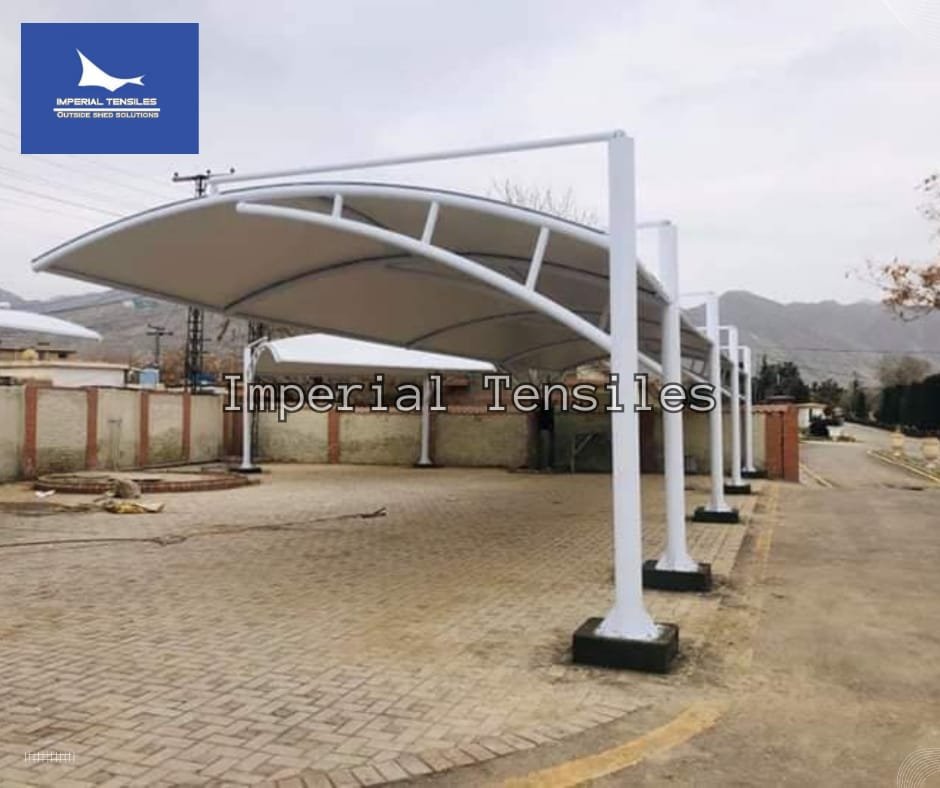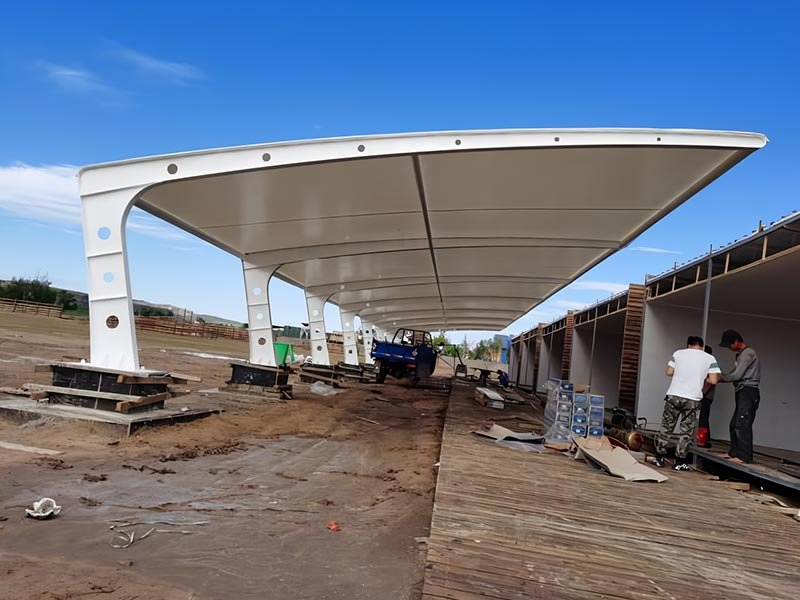
A gas station canopy is the first thing drivers notice from the road and the last thing they think about once they pull in, as long as it does its job. It shades customers and staff, protects dispensers from rain and dust, carries lighting and branding, and turns a forecourt into a safe, inviting space day and night. In Pakistan the same structure is usually called a petrol pump canopy, and it is just as important for CNG stations, EV charging hubs and fleet depots.
This guide explains how a modern gas station canopy is designed and built: the main structural types, steel versus tensile fabric roofs, height and size rules, lighting, drainage, fire safety, branding, cost factors and maintenance. If you are building a new fuel station, upgrading an old forecourt or planning EV chargers, this will help you ask the right questions and choose a canopy that lasts.
What Does a Gas Station Canopy Do?
A well-designed gas station canopy performs several jobs at once:
- Weather protection: shade from strong sun and cover from rain, so customers and attendants stay comfortable.
- Equipment protection: dispensers, card readers and screens last longer when shielded from UV, rain and dust.
- Lighting platform: canopy lights make the forecourt bright and safe at night.
- Branding and visibility: fascia panels and colours make the station recognisable from a distance.
- Traffic guidance: the canopy layout signals where vehicles should enter, queue and exit.
- Safety: good lighting, clear heights and fire-safe materials reduce accidents.
Because the canopy is so visible, it also shapes how customers judge the whole business. A clean, bright, modern gas station canopy suggests quality fuel and good service.
Main Types of Gas Station Canopy
1. Conventional Steel Deck Canopy
The classic gas station canopy is a flat or slightly sloped steel frame with a metal deck roof, a ceiling of metal panels, and a branded fascia around the edges. Columns usually sit on the dispenser islands.
Pros: familiar look, simple fascia branding, easy to fit standard lighting.
Cons: heavy steelwork, heat build-up under metal roofs, many columns, slower to build.
2. Tensile Fabric Canopy
A tensile gas station canopy uses curved, pre-stressed fabric (usually PVDF-coated PVC or PTFE) on a lighter steel frame. Cone, wave and saddle shapes give a striking modern look.
Pros: lighter structure, cooler space under translucent white fabric, natural daylight, iconic appearance, faster installation.
Cons: needs specialist design and fabrication; branding is applied differently.
3. Hybrid Canopy
A hybrid combines a steel deck or fascia for branding with tensile fabric panels or skylights for daylight and a lighter look. It is popular for upgrades where the brand requires a standard fascia.
4. Cantilever Canopy
Columns sit on one side only, leaving the vehicle lanes clear. This is useful on narrow sites, for truck lanes and for EV charging bays where cables and parking need space.
5. Modular Canopy for CNG and EV Stations
Smaller, repeatable modules cover individual CNG dispensers or EV chargers. They can be extended as the station grows.
Steel vs Tensile Gas Station Canopy
| Factor | Steel deck canopy | Tensile fabric canopy |
|---|---|---|
| Look | Traditional, boxy | Modern, sculptural |
| Heat under roof | Can feel hot | Cooler, reflects heat |
| Daylight | Needs lights all day | Natural daylight through fabric |
| Weight | Heavy | Lightweight |
| Columns | More | Fewer possible |
| Installation time | Longer | Shorter on site |
| Branding | Fascia panels | Printed fabric, fascia bands or signage |
| Maintenance | Paint, roof sheets | Fabric cleaning, tension checks |
For fabric selection details, see our guide to PVC vs HDPE vs PVDF tensile fabric and our PTFE vs ETFE comparison.
Key Design Rules for a Gas Station Canopy
Clear Height
The canopy must be high enough for the tallest vehicles the station serves. Car-only stations need less height than stations that serve trucks, buses and tankers. Fuel tanker access to underground tanks must also be checked. Plan clearance for signage and lights hanging below the roof, and add a margin for safety.
Size and Coverage
The gas station canopy should cover all dispensers and enough space around them for vehicles to stop and for people to stand dry and shaded. Extend the canopy beyond the islands so rain does not blow onto customers and equipment.
Column Positions
Place columns on dispenser islands or protected areas, never in vehicle paths. Use crash barriers (bollards) around columns where vehicles turn.
Wind and Uplift
Large flat canopies and fabric roofs both face strong wind uplift. Foundations, base plates and connections must be engineered for local wind speeds and dust storms. Read our article on wind and dust storm design, and our guide to tensile shed foundations.
Drainage
Rainwater must be collected and taken away from the forecourt in a controlled way. Tensile canopies collect water at low points; steel canopies use internal gutters and downpipes inside columns. Forecourt drainage itself usually passes through an oil interceptor, so roof water and forecourt water should be planned together with your engineer.
Fire and Electrical Safety
Fuel stations have strict safety rules. Use fabrics and finishes with suitable fire ratings, keep electrical fittings appropriate for the hazard zone, and follow the requirements of the oil marketing company and local authorities. In Pakistan, approvals typically involve the relevant regulators and the fuel brand’s technical team, so involve them early.
Lighting
Good lighting is essential for safety and sales. LED canopy lights give bright, even illumination with low energy use. Under a white tensile gas station canopy, uplighting can make the whole roof glow, creating a strong visual landmark at night.
Branding
Brand colours and logos are applied through fascia panels, printed fabric, column cladding and price signage. Discuss brand guidelines with your oil marketing company before finalising the design.
Benefits of a Tensile Gas Station Canopy
Tensile fabric is becoming more popular for fuel stations worldwide. Key advantages include:
- Cooler forecourt: white fabric reflects much of the sun’s heat instead of radiating it down like metal.
- Natural daylight: translucent membranes reduce the need for daytime lighting.
- Distinctive look: a curved roof stands out from standard box canopies and helps a station become a local landmark.
- Lighter structure: less steel can mean smaller foundations and faster construction.
- Shorter site work: fabric and steel are prefabricated, reducing disruption at an operating station.
- Long life: quality PVDF fabric typically lasts 10 to 20 years and PTFE much longer.
These benefits are similar to those we describe in our guide to the benefits of tensile structures for commercial projects.
Gas Station Canopy for CNG and EV Charging
CNG Stations
CNG dispensers need the same weather protection as petrol pumps, plus attention to ventilation, because compressed gas safety relies on open, well-ventilated areas. Open-sided tensile or high steel canopies allow air to move freely.
EV Charging Hubs
EV drivers often wait 20 minutes or more while charging, so shade and rain cover matter even more than at a fuel pump. A gas station canopy concept adapted for EV bays can also carry solar panels on parts of the structure, cable management and lighting. Cantilever and modular designs work well because they keep parking bays clear.
Gas Station Canopy Design Styles
The shape of the roof says a lot about a brand. Popular gas station canopy styles include:
- Flat box canopy: the traditional look with a deep fascia band. Simple and widely recognised.
- Sloped or tilted roof: a single slope that sheds rain in one direction and looks more dynamic from the road.
- Wave or ripple roof: a series of fabric curves that suggest motion and flow, ideal for modern brands.
- Cone canopy: high points over each island draw the eye and vent hot air.
- Butterfly roof: two slopes meeting in a central valley, collecting rainwater neatly into one gutter.
- Hypar sails: twisted fabric panels over each dispenser, creating a light, sculptural forecourt.
The right style balances brand guidelines, budget, wind exposure and how visible the station needs to be from the highway.
Planning a New Gas Station Canopy: Step by Step
- Confirm the site layout with dispenser positions, tanker access and traffic flow.
- Agree brand requirements with the oil marketing company or franchise.
- Choose the canopy type and style that fits the layout and brand.
- Set clear heights for the vehicles you will serve.
- Commission engineering for wind, foundations, drainage and fire safety.
- Plan lighting and electrical work for the hazard zones around dispensers.
- Coordinate approvals with the relevant authorities before work starts.
- Fabricate off-site to shorten the time spent working on the forecourt.
- Install, test lighting and hand over with a maintenance plan.
Following these steps reduces delays and avoids redesigns late in the project, which are expensive when a gas station canopy must match strict brand standards.
What Affects the Cost of a Gas Station Canopy?
Prices change with steel rates and imported materials, so it is more useful to understand what drives the cost:
- Covered area and number of islands
- Canopy type: steel deck, tensile, hybrid or cantilever
- Clear height: taller canopies for trucks need heavier columns and foundations
- Fabric or roofing grade: PVDF, PTFE or metal deck
- Lighting and electrical work
- Branding: fascia panels, printed graphics and signage
- Site works: foundations, drainage and work around live fuel equipment
- Approvals and engineering: drawings, calculations and safety reviews
Ask each supplier for a breakdown of these items. Our article on questions to ask a tensile shed contractor will help you compare offers.
Customer Experience Under the Canopy
Fuel buyers usually spend only a few minutes at the pump, but those minutes shape their opinion of the brand. A comfortable gas station canopy improves that experience in simple ways:
- Shade while refuelling: drivers stay cooler and are more likely to return.
- Dry walkways: covered paths to the shop, washrooms and ATM keep customers dry in rain.
- Bright, even light: reduces shadows and helps drivers feel secure at night.
- Clear signage: prices, payment options and lane directions are easy to read under good lighting.
- Space for extras: air and water points, tyre checks and car-wash queues can also sit under cover.
Happy customers spend more time and money in the convenience store, which is why many operators treat the canopy as a sales tool, not just a roof.
Upgrading an Old Petrol Pump Canopy
Many stations in Pakistan still use older canopies with rusting steel, faded fascia and poor lighting. An upgrade can transform the station without rebuilding everything:
- Inspect existing columns and foundations to see if they can be reused.
- Replace damaged roof sheets with tensile fabric panels or a new deck.
- Install LED lighting for brighter, cheaper illumination.
- Refresh branding with new fascia, printed fabric or column cladding.
- Add canopies over new CNG or EV bays.
Staging the work in phases keeps the station open during the upgrade.
Maintenance of a Gas Station Canopy
- Inspect monthly for loose panels, damaged fabric, rust and lighting faults.
- Clean fabric and fascia regularly to keep the brand looking fresh; fuel stations collect dust and exhaust residue quickly.
- Check drainage before and during the monsoon so gutters and low points do not overflow.
- Re-tension fabric if it starts to wrinkle or flap.
- Check column bases and bollards for vehicle impact damage.
- Keep records for safety audits by the oil marketing company.
For fabric care, see our tensile shade maintenance tips.
Common Mistakes to Avoid
- Too low for the vehicles served, leading to impact damage.
- Columns in turning paths without protection.
- Poor drainage, causing water to pour onto customers or dispensers.
- Weak lighting, making the forecourt feel unsafe at night.
- Ignoring wind uplift, especially on large flat roofs.
- Late brand approval, causing costly redesigns.
- Cheap materials that fade, rust or tear within a few years.
Gas Station Canopy Trends
- Tensile and hybrid roofs replacing heavy steel decks.
- LED and smart lighting with sensors and lower energy use.
- Solar panels on parts of the canopy to offset station power use.
- EV-ready designs with space and cabling for future chargers.
- Convenience-store integration, linking the canopy to shops and cafés with covered walkways.
If you need covered walkways between the forecourt and shop, see our guide to car parking sheds for similar shading solutions for staff and customer parking.
Gas Station Canopy in Pakistan’s Climate
Pakistan’s highways and cities present tough conditions for any forecourt. Summer heat makes staff and customers uncomfortable under metal roofs, monsoon storms can bring sudden heavy rain, and dust storms coat surfaces and test structural fixings. A gas station canopy designed for these conditions uses heat-reflective fabric or insulated roofing, generous overhangs, strong drainage and wind-engineered connections. Coastal stations near Karachi also need extra corrosion protection on steel and fixings.
Frequently Asked Questions
How high should a gas station canopy be?
It depends on the tallest vehicles served. Car-only stations can be lower than stations serving trucks and tankers. Your engineer and fuel brand will set a minimum clear height with a safety margin.
Is a tensile gas station canopy safe for fuel stations?
Yes, when designed with suitable fire-rated fabric, engineered steel and approved electrical fittings, a tensile canopy meets the safety needs of fuel stations and is used worldwide.
How long does a gas station canopy last?
Steel frames can last decades with good corrosion protection. PVDF fabric roofs typically last 10 to 20 years, and PTFE roofs longer, with regular maintenance.
Can I add solar panels to a gas station canopy?
Yes. Many modern canopies combine fabric or deck roofs with solar panels on suitable areas. The structure must be designed for the extra load.
How long does it take to install a petrol pump canopy?
Timelines depend on size and design. Prefabricated tensile and steel canopies reduce site time, and work can be phased to keep the station operating.
What is the difference between a gas station canopy and a petrol pump canopy?
There is no real difference. “Gas station canopy” is the common term in the USA, while “petrol pump canopy” or “forecourt canopy” is used in Pakistan, the UK and the Gulf. Both describe the same roof over the fuel dispensers.
Conclusion
A well-designed gas station canopy protects customers, staff and equipment, makes the forecourt safe at night and gives your station a strong brand presence. Choose the right type, design for height, wind and drainage, follow safety rules and maintain it regularly. Contact Imperial Tensiles to design a modern petrol pump, CNG or EV charging canopy anywhere in Pakistan.
Further reading: Designing Buildings – Canopies.