Shade sail vs pergola: which one should you build for your lawn, rooftop, café or pool deck? Both create an outdoor room, both add value to a property, and both promise relief from the sun. But they are built differently, cost differently and age differently. A shade sail is a tensioned fabric membrane fixed to posts or walls; a pergola is a framed structure of beams and rafters, often with an added roof cover.
In this honest comparison we look at the shade sail vs pergola question from every angle that matters to homeowners and businesses: shade quality, heat, rain, wind, cost, installation time, maintenance, lifespan, looks and resale value. By the end you will know exactly which option suits your space and budget, and when a hybrid solution is the smartest choice.
Shade Sail vs Pergola: Quick Answer
- Choose a shade sail if you want strong sun protection quickly, at a lower cost, with a modern sculptural look and flexible layout.
- Choose a pergola if you want a permanent architectural feature, support for lights, fans or climbing plants, and are willing to pay more.
- Choose a hybrid (pergola frame with a tensioned fabric roof, or a tensile canopy) if you want the best of both: solid structure plus excellent shade and rain protection.
What Is a Shade Sail?
A shade sail is a piece of technical fabric, usually triangular, square or rectangular, that is stretched tight between three or more fixing points. The edges are curved inward (called a catenary cut) and reinforced with webbing or wire rope so the sail can be pulled taut. The fixing points are steel posts, building walls or roof beams.
Shade sails are a simple form of tensile structure. Because the fabric is pre-stressed and curved, it resists wind and stays stable without a heavy frame. Common fabrics include:
- HDPE knitted shade cloth: breathable, blocks a high percentage of UV, lets hot air escape, but does not stop rain.
- PVC or PVDF-coated polyester: waterproof, strong and suitable for permanent installations.
Learn more about these materials in our guide to shade net vs waterproof fabric for homes.
What Is a Pergola?
A pergola is an open-roof structure made of vertical posts supporting horizontal beams and cross-rafters. Traditional pergolas are timber; modern versions use aluminium, steel or composite materials. A basic pergola gives only partial shade from the rafter pattern, so most owners add one of the following:
- Fixed polycarbonate or metal sheets
- Retractable fabric canopies
- Louvred aluminium blades (bioclimatic pergola)
- Climbing plants such as bougainvillea or grape vines
Shade Sail vs Pergola: 10-Point Comparison
1. Shade Quality
A well-placed shade sail made from quality fabric can block a high share of UV and create deep, cool shade. A bare pergola gives patchy, moving shade that depends on the sun’s angle. Once a pergola has a solid or fabric roof, the shade becomes comparable. Round one of the shade sail vs pergola test usually goes to the sail for value per square metre of shade.
2. Heat Comfort
Light-coloured fabric reflects heat and, in the case of HDPE mesh, lets hot air vent upward. Metal or polycarbonate pergola roofs can trap heat and radiate it down unless they are insulated or ventilated. In very hot cities such as Lahore, Multan, Karachi or Dubai, a fabric sail or tensile roof often feels cooler underneath.
3. Rain Protection
HDPE shade sails do not keep out rain. Waterproof PVC sails do, but they must be installed with enough slope (fall) for water to run off, otherwise water ponds and stretches the fabric. A pergola with a sealed roof and gutter handles heavy monsoon rain more easily. If rain protection is essential, pick a waterproof tensile canopy or a roofed pergola.
4. Wind Resistance
A correctly tensioned sail with a twisted (hypar) shape is surprisingly wind-stable, but every fixing point must be designed for high loads. A pergola is rigid and handles wind well, though solid roofs can catch strong uplift. In both cases, footings and fixings must be engineered. Read our article on wind and dust storm design to see what that involves.
5. Cost
In most markets a shade sail is cheaper than a pergola of the same covered area. The sail needs fewer materials: fabric, hardware and a few posts. A pergola needs a full frame of posts, beams and rafters plus a roof covering. Bioclimatic louvred pergolas are the most expensive option. In the shade sail vs pergola cost battle, sails usually win clearly.
6. Installation Time
A professionally fabricated shade sail can often be installed in one to three days after post foundations cure. A pergola may take a week or more, especially with roofing, electrical work and finishes.
7. Maintenance
Shade sails need occasional re-tensioning, washing and inspection of hardware, and many owners take HDPE sails down before extreme storms. Timber pergolas need staining or sealing; metal pergolas need rust checks and roof cleaning. Follow our tensile shade maintenance tips to keep fabric looking new.
8. Lifespan
Good HDPE sails often last around 5 to 10 years; quality PVC/PVDF fabric typically lasts 10 to 20 years. A well-built steel or aluminium pergola can last decades, though its roof covering may need replacing sooner.
9. Design and Flexibility
Sails create bold, angular, modern shapes and can be layered in different colours and heights. They suit irregular spaces where a rectangular pergola would not fit. Pergolas offer a classic, architectural look and can carry lights, fans, curtains and plants. The shade sail vs pergola choice here is about taste and the style of the building.
10. Property Value and Permits
A permanent pergola is often seen as a home improvement that adds value. Shade sails add appeal and usability, and a permanent tensile canopy designed by professionals can also lift perceived value. Check local building rules for either structure, especially on rooftops and in housing societies.
Shade Sail vs Pergola Comparison Table
| Factor | Shade sail | Pergola |
|---|---|---|
| Typical cost | Lower | Higher |
| Shade quality | High (with good fabric) | Partial unless roofed |
| Heat under cover | Cooler, fabric reflects/vents | Can be hotter with sheet roofs |
| Rain protection | Only with waterproof fabric and slope | Good with sealed roof |
| Installation | Fast | Slower |
| Lifespan | 5–20 years (fabric dependent) | 15–30+ years frame |
| Look | Modern, sculptural | Classic, architectural |
| Accessories | Limited | Lights, fans, plants, curtains |
When a Shade Sail Is the Better Choice
- You need shade over a large or irregular area at a sensible cost.
- You want a modern, eye-catching design for a café, school or playground.
- The space is mainly used in sunny, dry months.
- You want fast installation with minimal construction mess.
- You plan to cover parking, sandpits, pool edges or rooftops.
When a Pergola Is the Better Choice
- You want a permanent outdoor room with lights, fans and furniture.
- You need reliable rain protection throughout the monsoon.
- You prefer a classic look that matches traditional architecture.
- You want to grow climbing plants for a natural canopy.
The Hybrid Option: Tensile Canopy or Fabric-Roof Pergola
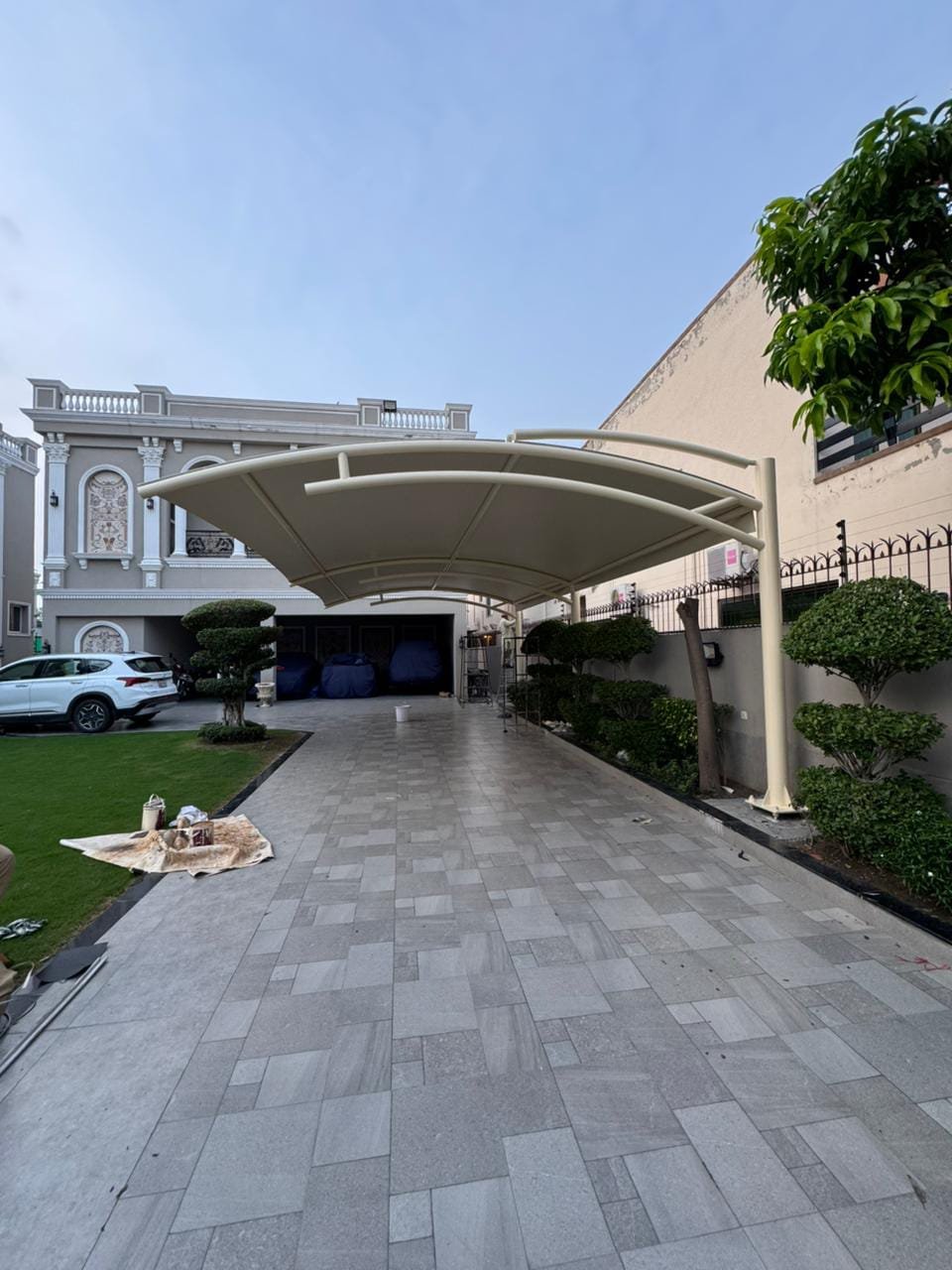
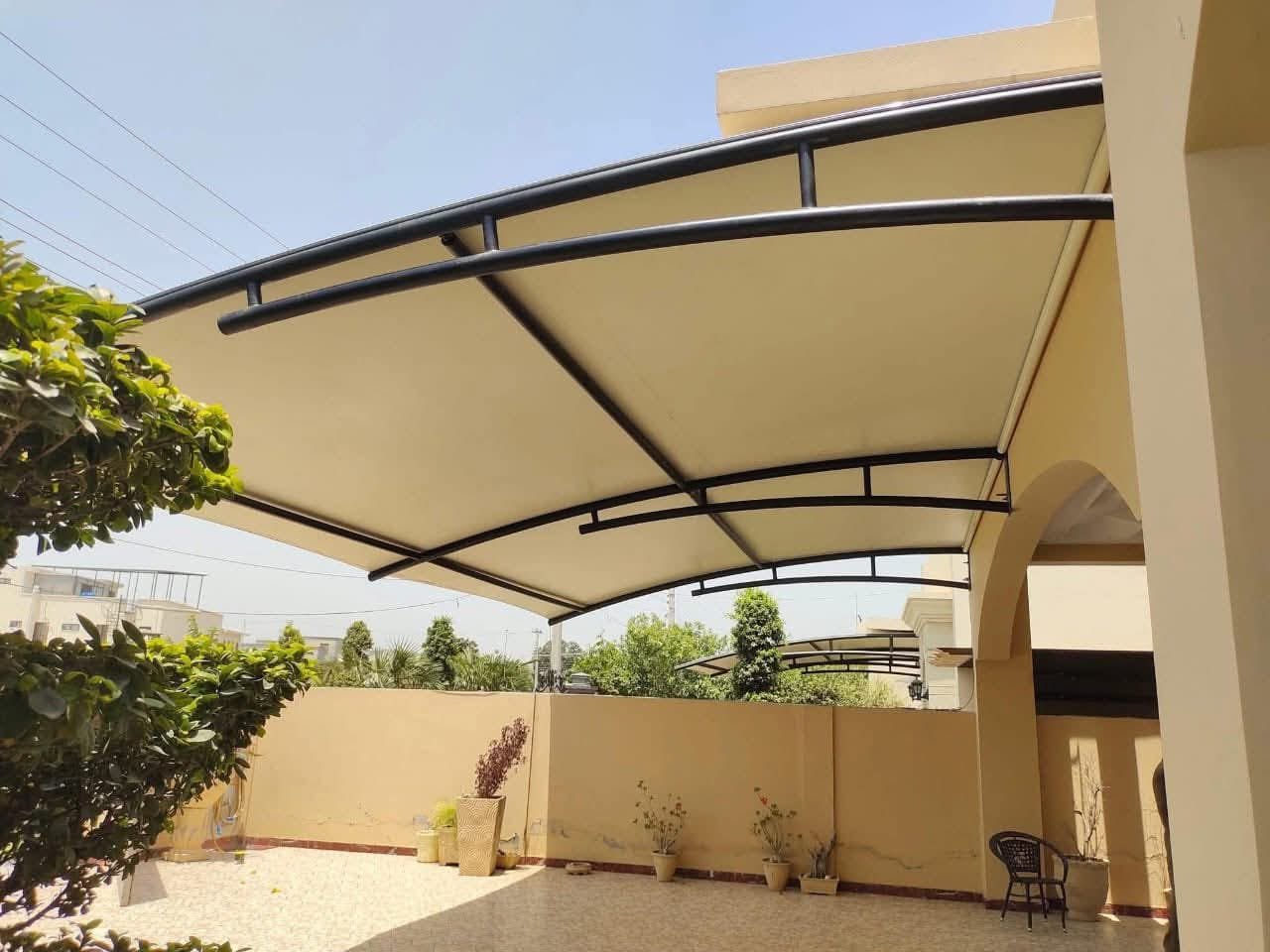
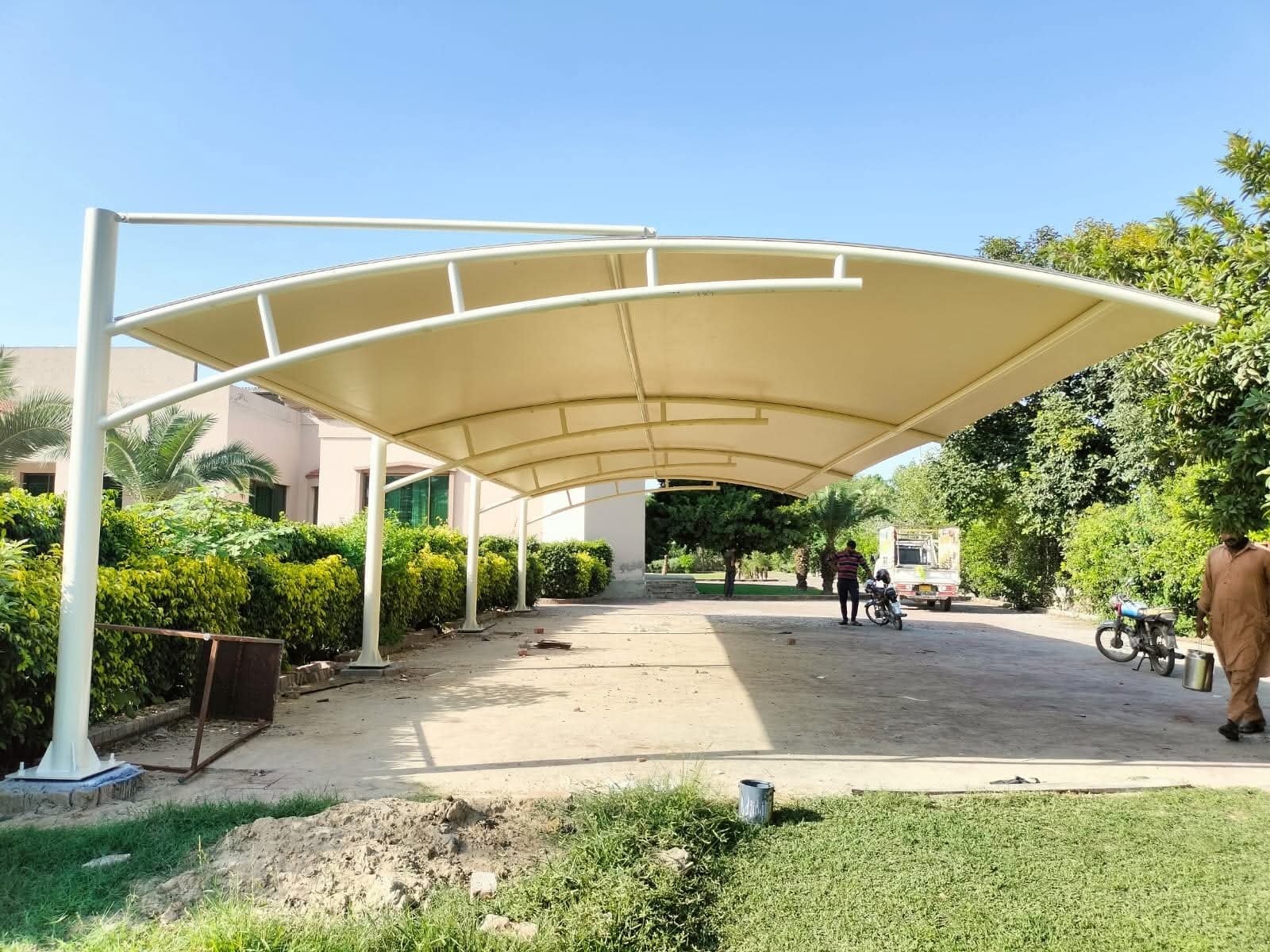
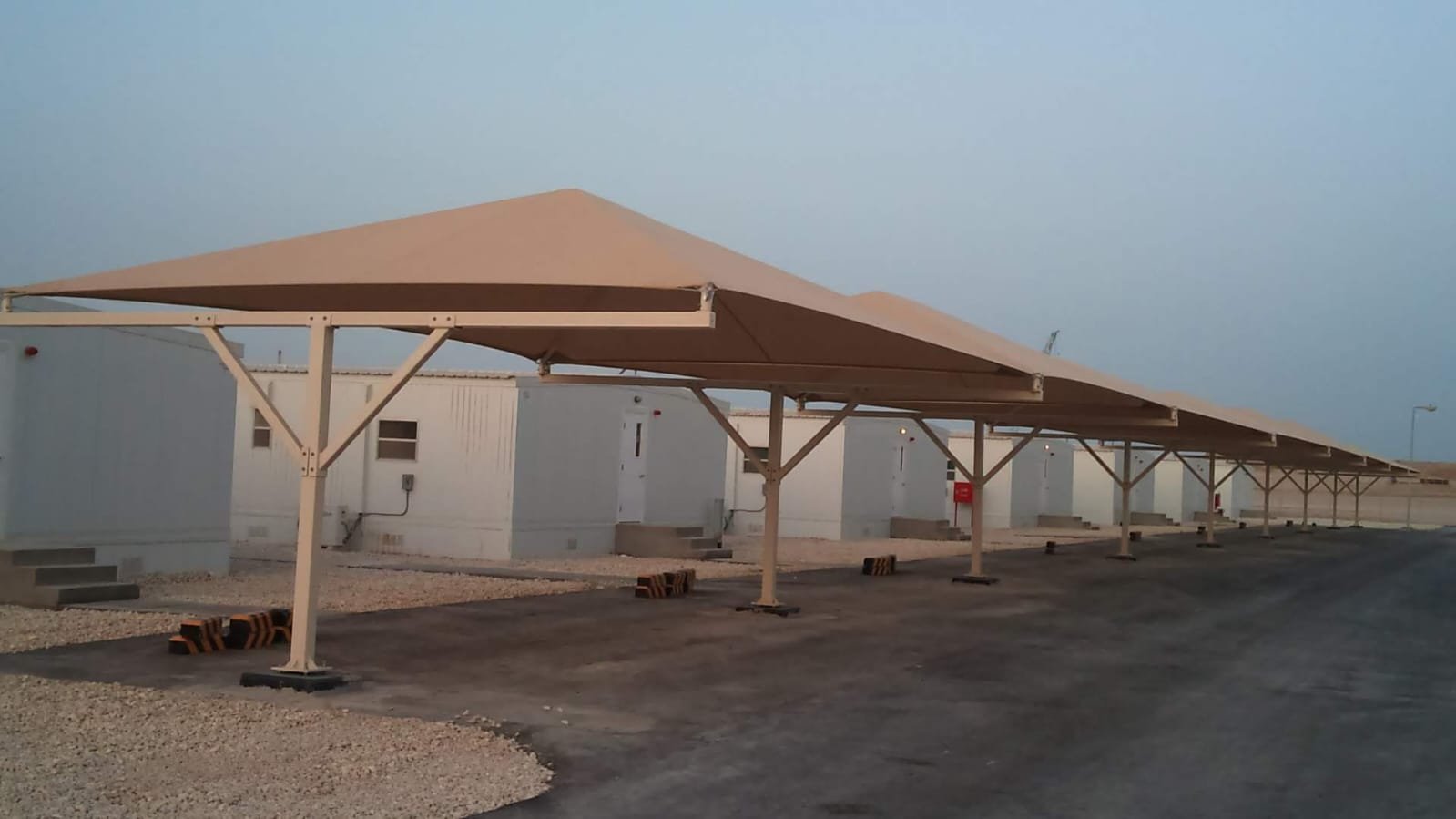
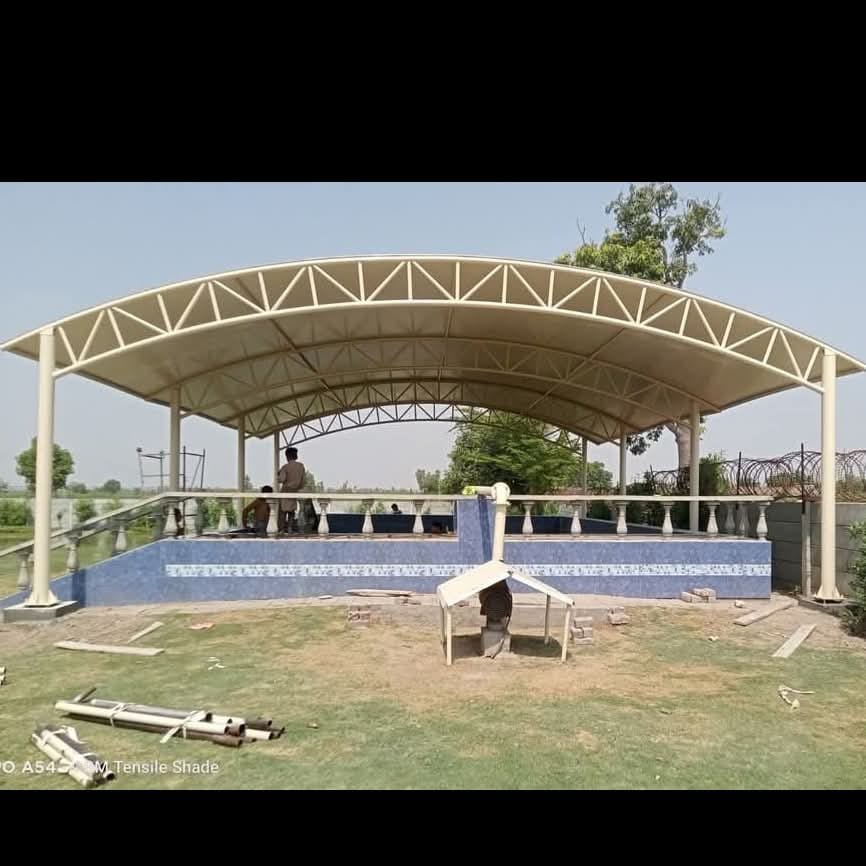
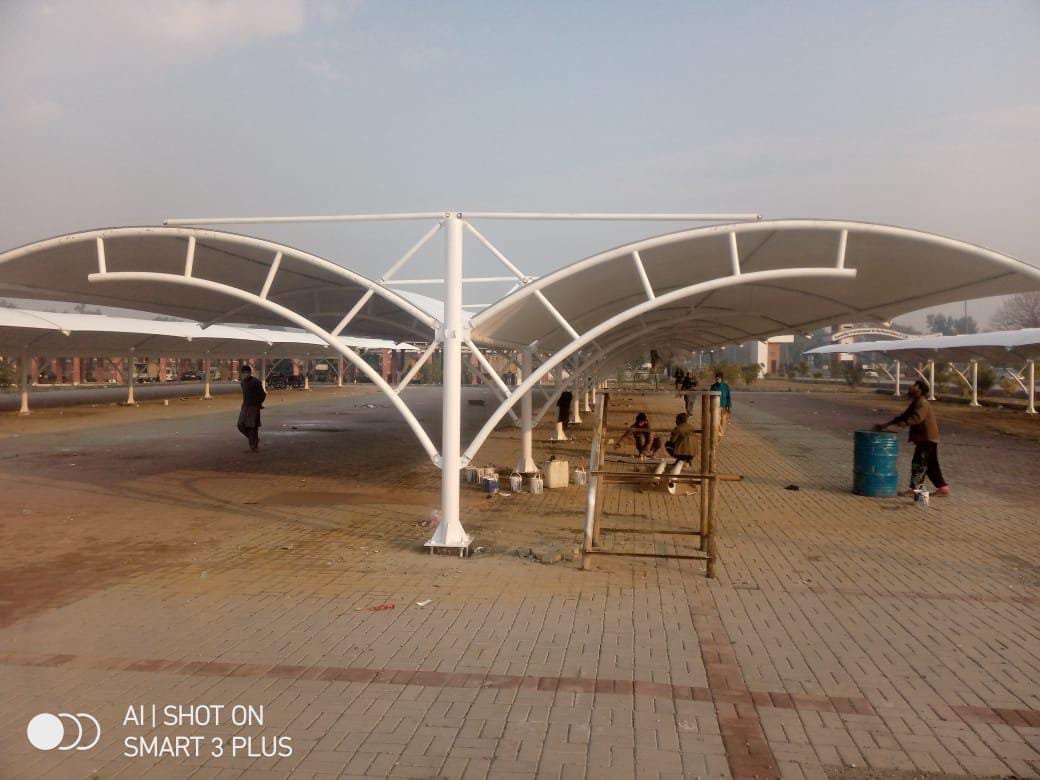
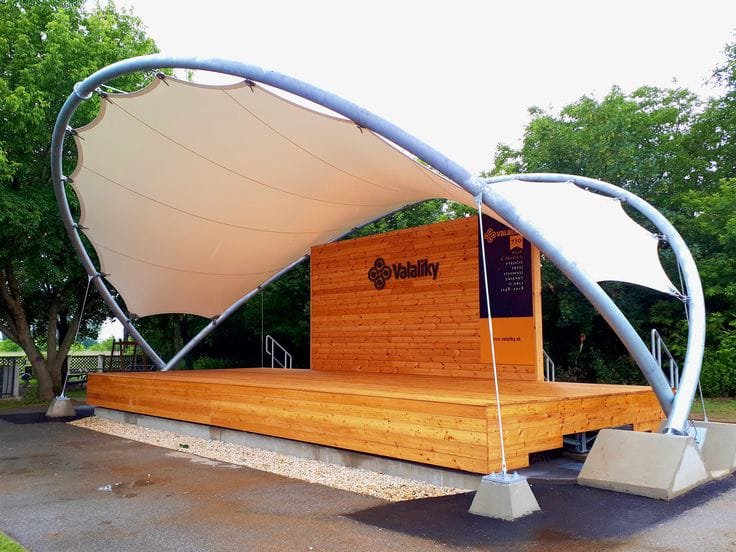
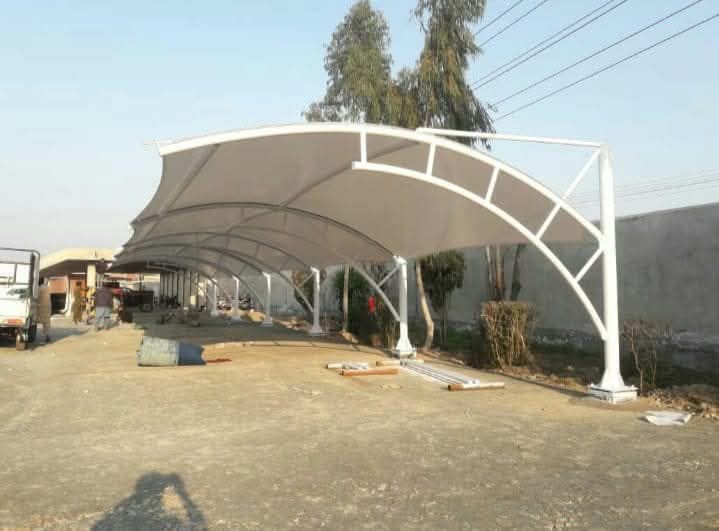
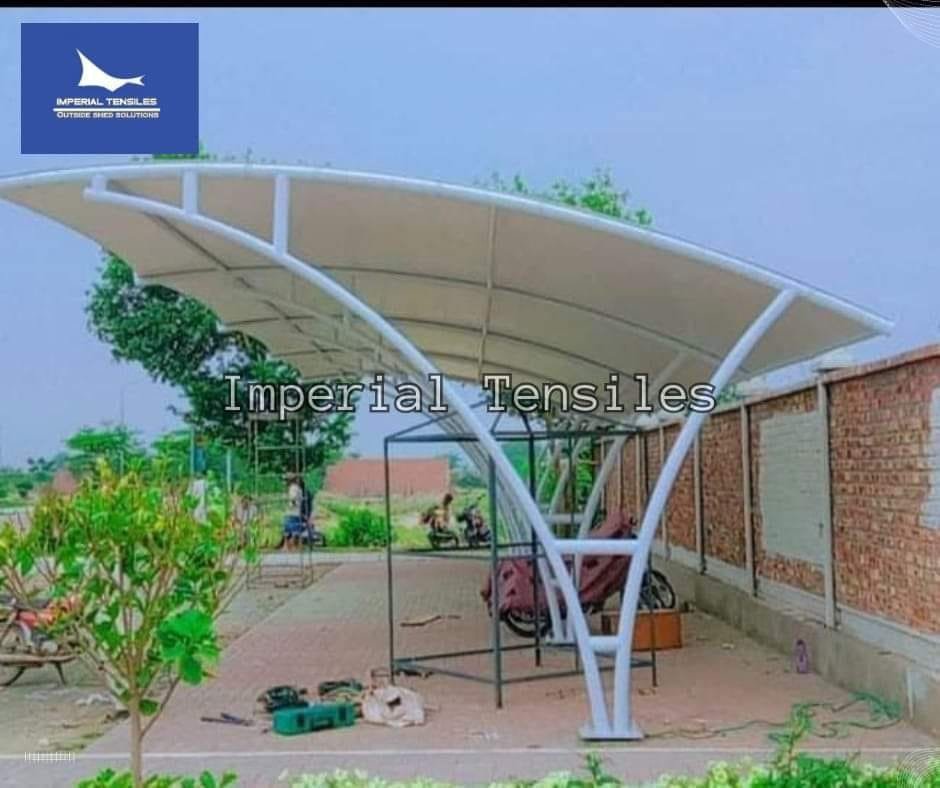
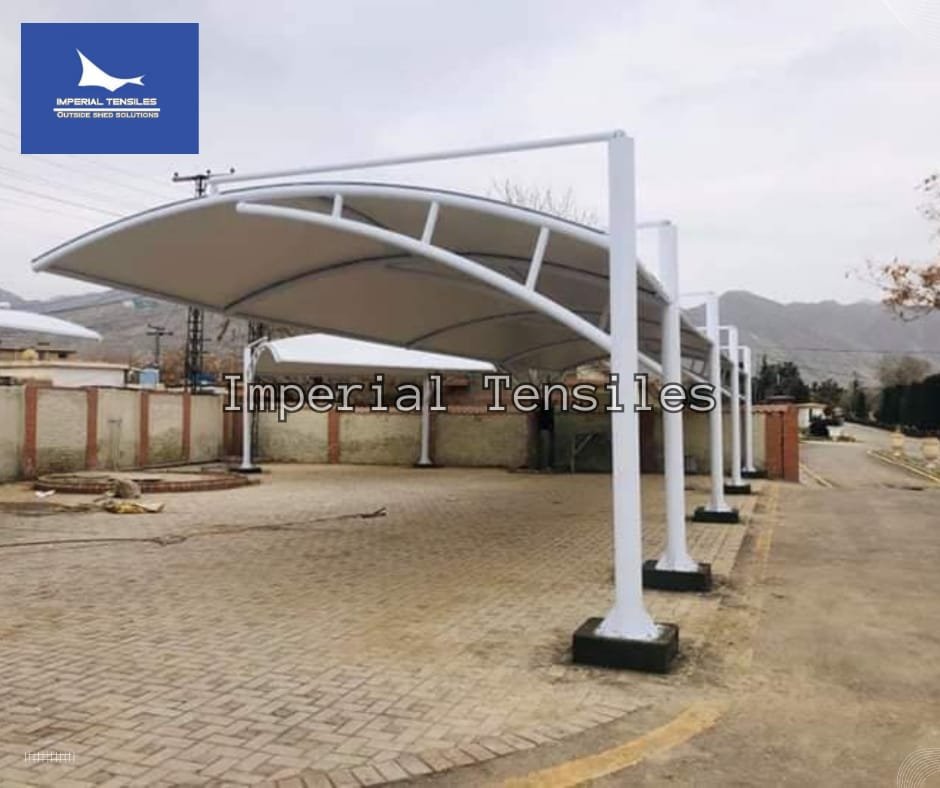
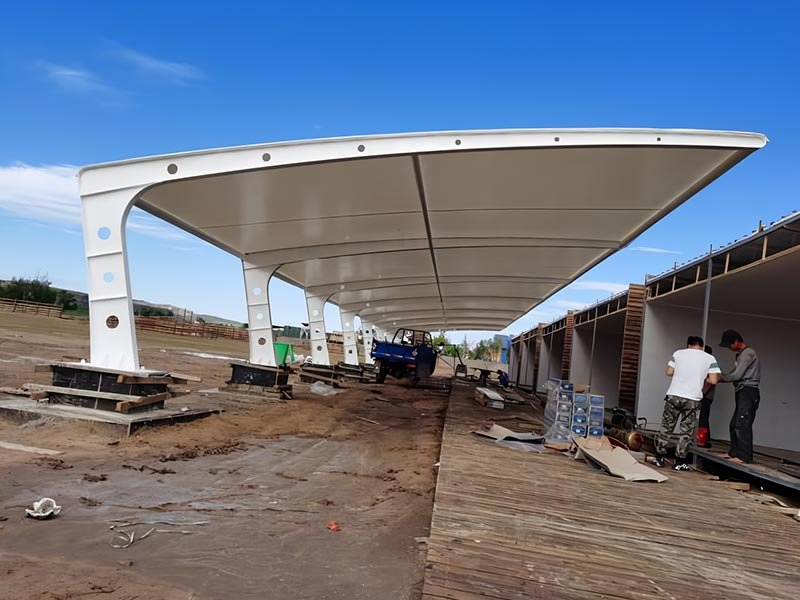
Many owners do not need to pick sides in the shade sail vs pergola debate. A tensile canopy combines a designed steel frame with a curved, pre-stressed fabric roof. It gives:
- Waterproof cover with proper drainage
- Strong wind performance thanks to engineered steelwork
- A cooler space than metal sheet roofs
- A distinctive architectural look
- Lifespans comparable to good pergolas when quality fabric is used
This is the solution Imperial Tensiles installs most often for homes, rooftops and restaurants. Explore ideas in our post on rooftop tensile shades in Pakistan.
Shade Sail vs Pergola for Different Spaces
Residential Lawn or Backyard
For a family garden used in the evenings, a pair of overlapping shade sails is affordable and stylish. If you entertain often and need rain cover, a pergola or tensile gazebo is better.
Rooftop
Rooftops are windy and exposed. Fixings on roof slabs must be carefully designed. Lightweight tensile structures or sails work well because they add little dead load. Always involve a structural engineer.
Café and Restaurant Seating
Restaurants need shade that looks attractive and works in light rain. A waterproof tensile canopy or a large shade sail cluster usually beats a pergola on cost and visual impact.
Swimming Pool
Pool areas suit sails because they leave open views and let air circulate. See our full guide to swimming pool shade structures.
Car Parking
For parking, neither a domestic sail nor a pergola is ideal. Purpose-designed car parking sheds give better coverage and wind resistance.
Shade Sail vs Pergola: What Drives the Cost?
Prices vary by city, material and contractor, so instead of quoting numbers that go out of date, here are the factors that move the price in a shade sail vs pergola comparison.
Shade Sail Cost Factors
- Fabric type: HDPE shade cloth is the most economical; PVC/PVDF waterproof fabric costs more but lasts longer.
- Size and shape: larger sails need heavier fabric, stronger edges and bigger posts.
- Number of posts: each new post adds steel, a footing and labour. Wall fixings can reduce cost if the wall is strong enough.
- Hardware: marine-grade stainless steel turnbuckles, shackles and pad-eyes cost more but resist rust.
- Engineering: wind-checked post sizes and foundations add a little cost and a lot of safety.
Pergola Cost Factors
- Frame material: treated timber, steel, aluminium or composite.
- Roof covering: open rafters, polycarbonate, metal sheet, fabric or motorised louvres.
- Size and height: more beams and rafters as the area grows.
- Extras: lighting, ceiling fans, side curtains, gutters and painting.
- Finishing: powder coating, staining or decorative cladding.
When you add the roof covering a pergola needs for real shade, the gap in the shade sail vs pergola price usually widens in favour of the sail.
Popular Shade Sail Shapes and Pergola Styles
Shade Sail Shapes
- Triangle: the classic, most affordable shape; great for layering two or three sails.
- Square and rectangle: more coverage per sail; best with a twist (one or two high corners).
- Hypar (twisted): opposite corners high and low, giving a dramatic saddle shape that sheds wind and water.
- Layered clusters: several sails at different heights and colours for cafés and playgrounds.
Pergola Styles
- Traditional timber pergola with exposed rafters.
- Modern steel pergola with slim profiles and dark powder coating.
- Bioclimatic pergola with motorised louvres that open and close.
- Attached pergola fixed to the house wall as a patio cover.
7 Common Mistakes in the Shade Sail vs Pergola Decision
- Choosing by price alone. A cheap sail that tears in the first storm costs more in the end.
- Ignoring rain. Buying HDPE mesh when you need monsoon protection leads to disappointment.
- Flat installation. Sails installed flat flap, sag and pond water. Always add twist and slope.
- Weak fixing points. Fixing a sail to a gutter, parapet or thin wall can cause failure.
- Undersized posts and footings. Both sails and pergolas need engineered foundations.
- Forgetting sun movement. The shadow moves; position the cover for the hours you use it.
- No maintenance plan. Fabric needs tension checks; timber needs sealing; metal needs rust care.
Avoid these errors and either option will serve you well for years.
Shade Sail vs Pergola in Pakistan’s Climate
Local weather should shape the final decision. Pakistan combines long, intense summers, a short but heavy monsoon, dusty spring winds and mild winters. Here is how the shade sail vs pergola comparison looks under those conditions:
- Summer heat (May–September): fabric sails and tensile roofs feel cooler than metal sheet or polycarbonate pergola roofs. White or light grey fabric works best.
- Monsoon (July–September): only waterproof fabric with correct slope, or a roofed pergola, will keep a space dry. Plan drainage so water does not pour onto paths or neighbours.
- Dust storms (April–June): all structures must be designed for gusts. Sails need strong hardware and posts; pergolas need secure roof fixings.
- Winter (December–February): a fabric sail lets you enjoy winter sun if it is removable or retractable, while a fixed pergola roof blocks it all year.
For most Pakistani homes and businesses, a waterproof PVDF tensile canopy offers the best year-round balance, which is why it has become the preferred upgrade from both basic sails and sheet-roof pergolas.
Shade Sail vs Pergola: Which Is Safer for Children?
Both are safe when engineered properly. Sails over play areas should use fabrics with high UV blocking and rounded, padded posts. Pergolas should have no sharp edges and secure roof sheets. Whichever you choose, ask your installer for a written safety check.
Tips Before You Buy
- Measure the area and mark existing walls, trees and services.
- Track the sun at the times you use the space; the shadow moves through the day.
- Decide on rain protection before choosing fabric.
- Plan slope: waterproof sails need a clear fall for drainage.
- Engineer the posts and footings; see our guide to tensile shed foundations.
- Ask about warranties on fabric, stitching and hardware.
If you want to install a sail yourself, read our step-by-step article on how to install a shade sail first.
Frequently Asked Questions
Is a shade sail cheaper than a pergola?
Yes, in most cases. When comparing shade sail vs pergola for the same covered area, sails need fewer materials and less labour, so they usually cost less.
Do shade sails keep you cooler than pergolas?
Often, yes. Light fabric reflects heat and breathable shade cloth lets hot air escape, while solid metal or plastic pergola roofs can trap heat unless insulated.
Can a shade sail handle rain?
Only waterproof fabrics such as PVC/PVDF, installed with enough slope, can shed rain. HDPE shade cloth lets water through.
How long does a shade sail last compared with a pergola?
A quality fabric sail typically lasts 5 to 20 years depending on material. A well-built pergola frame can last longer, but its roof covering may need replacing.
Which adds more value to a home?
A permanent pergola or an engineered tensile canopy is generally seen as a stronger improvement than a temporary sail.
Conclusion
The shade sail vs pergola decision depends on what you value most. If you want affordable, cool, stylish shade fast, choose a shade sail. If you want a permanent outdoor room with rain cover and accessories, choose a pergola. If you want both performance and looks, choose an engineered tensile canopy. Contact Imperial Tensiles for a free site visit and a design matched to your space.
Further reading: Bob Vila’s guide to shade sails.