Good playground shade structures are no longer a luxury. On a summer afternoon, slides, swings and rubber flooring can become hot enough to burn small hands, and children can get sunburnt in a short time without anyone noticing. Schools, parks, housing societies, restaurants and malls all face the same question: how do we keep play areas safe and usable when the sun is at its strongest?
This guide explains everything you need to plan playground shade structures that work: why shade matters for children, the main types of structures, fabric choices, sizing and height rules, safety requirements, cost factors, maintenance and design ideas. Whether you manage a school, a public park or a small café play corner, you will find practical advice you can act on.
Why Playgrounds Need Shade
Children spend more time outdoors than adults, and their skin is more sensitive to UV. Health organisations around the world, including the World Health Organization, recommend seeking shade when UV levels are high, especially around midday. Playground shade structures help in several ways:
- Reduce UV exposure: quality shade fabric blocks a large share of harmful UV rays.
- Keep equipment cool: shaded slides, platforms and surfaces stay much cooler than those in direct sun, lowering the risk of contact burns.
- Extend play hours: children can play safely through more of the day instead of only early morning and evening.
- Protect equipment: shade slows the fading and cracking of plastic and rubber parts, so equipment lasts longer.
- Comfort for parents and teachers: shaded seating encourages adults to supervise closely.
- Better attendance and footfall: schools, parks and restaurants with shaded play areas attract more families.
In a hot country like Pakistan, where summer temperatures often pass 40°C, playground shade structures can decide whether a play area is used at all from May to September.
6 Types of Playground Shade Structures
1. Hip-Roof Shade Structures
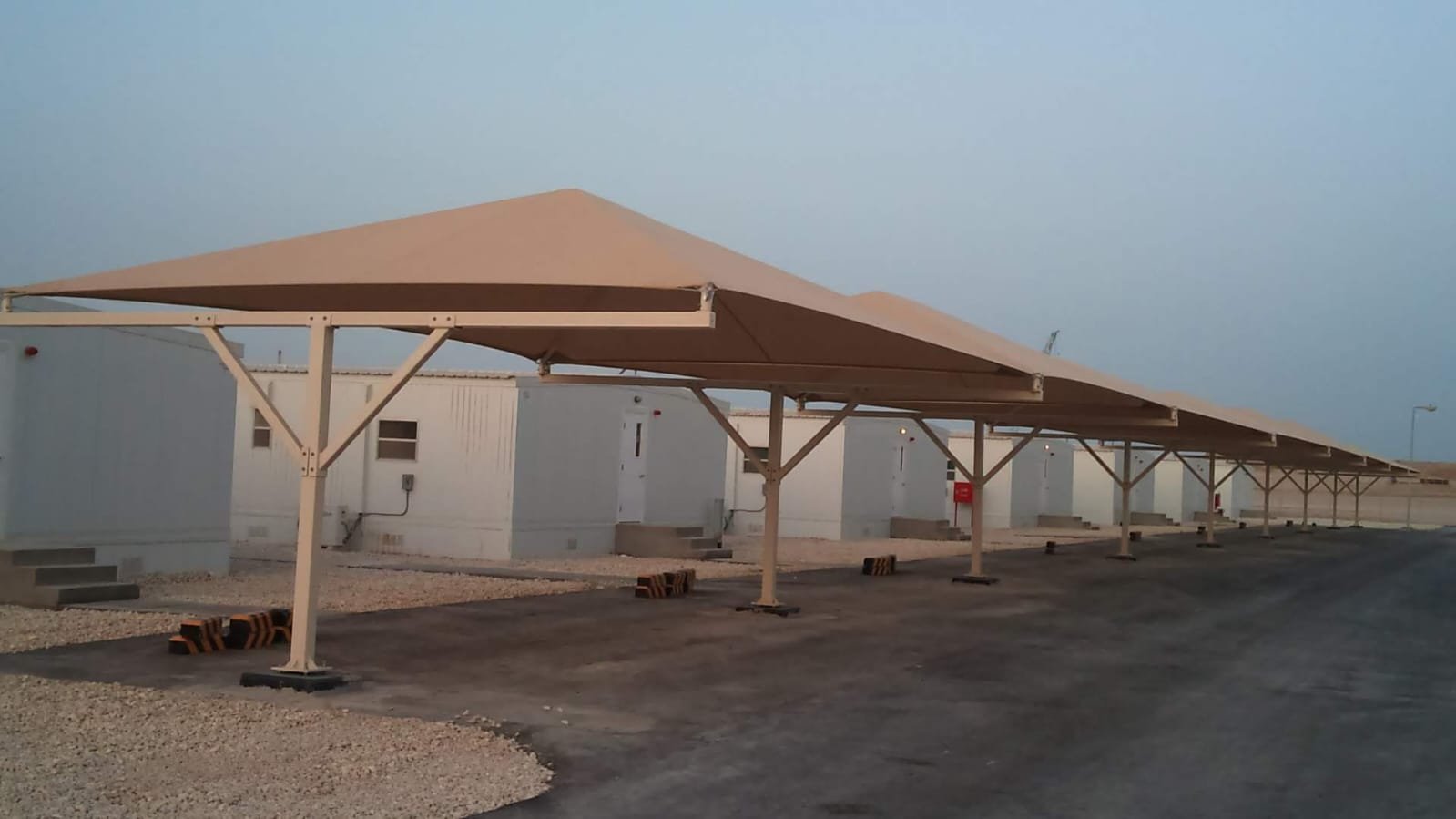
A hip-roof structure has a square or rectangular steel frame with a pyramid-shaped fabric roof. It is one of the most common playground shade structures because it covers a large area evenly and suits standard equipment layouts.
Best for: school playgrounds, park play zones and sandpits.
2. Cantilever Shades
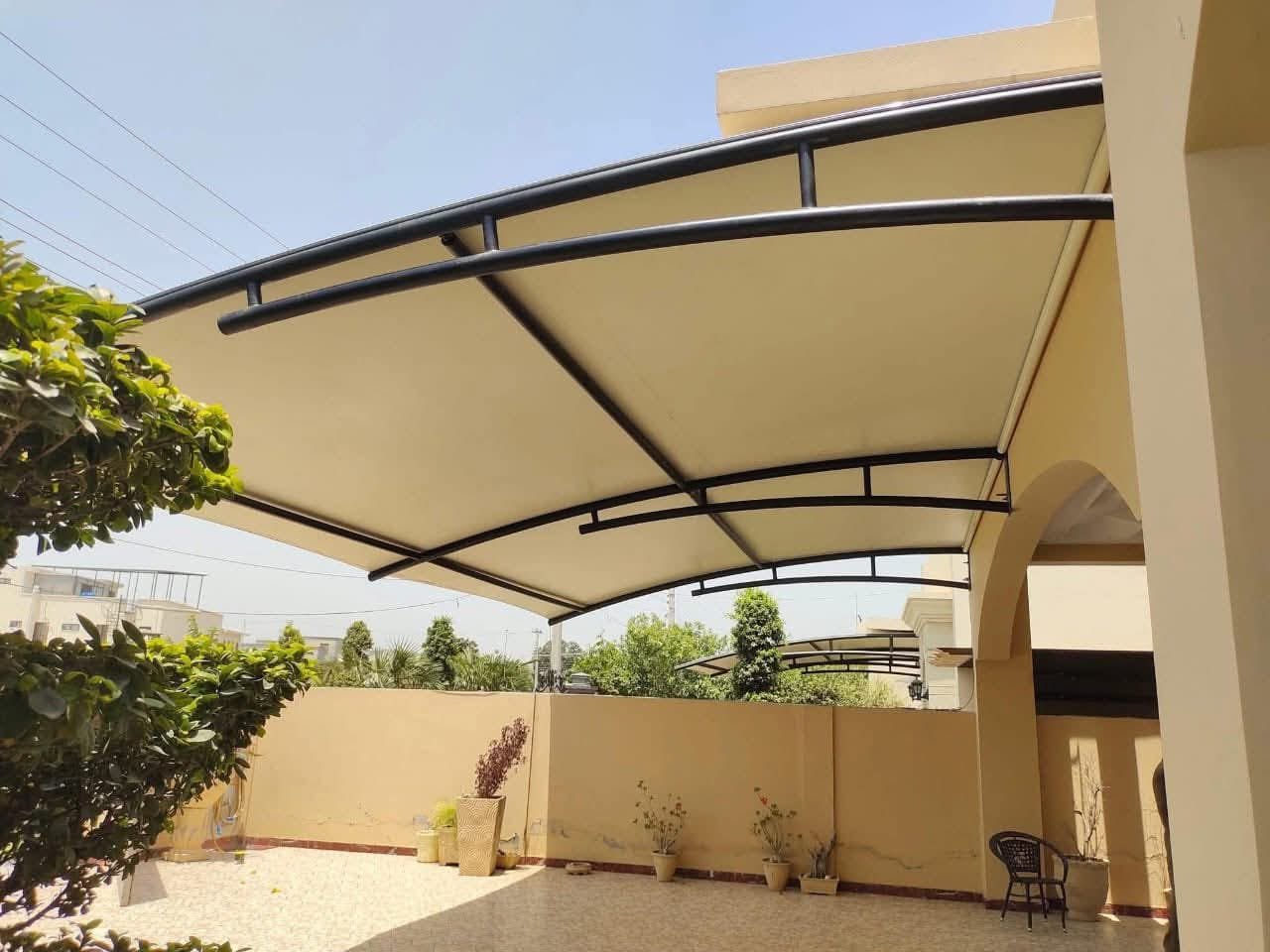
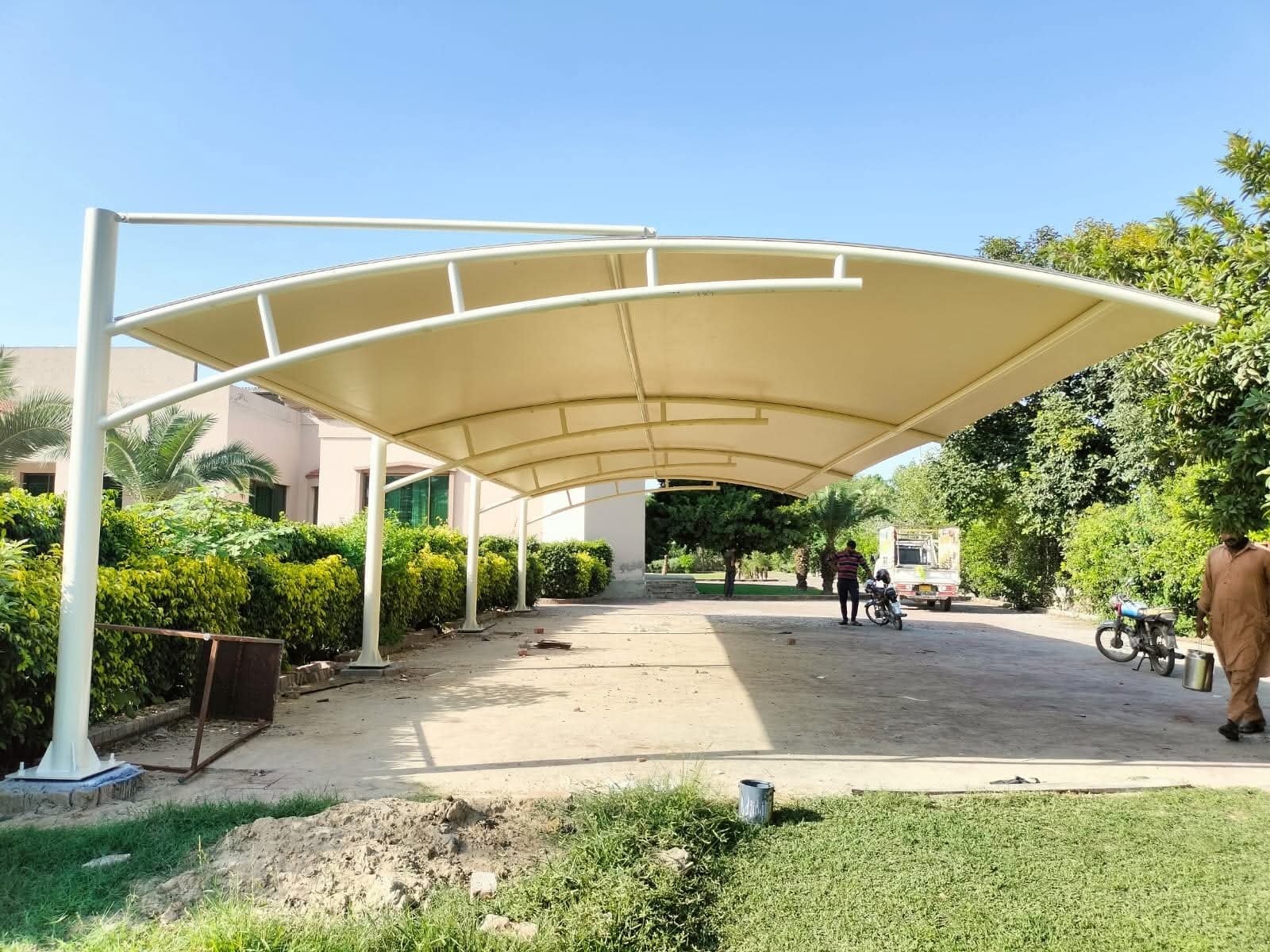
A cantilever has posts on one side only, with arms that reach out over the play area. This keeps posts away from slides, swings and running paths.
Best for: areas where columns would get in the way, such as around swings or along the edge of a play field.
3. Shade Sails
Shade sails are triangles or squares of tensioned fabric fixed to posts at different heights. They are colourful, playful and cost-effective, and they can be layered to cover irregular play areas.
Best for: parks, cafés, nurseries and residential playgrounds. Compare options in our shade sail vs pergola guide.
4. Tensile Membrane Canopies
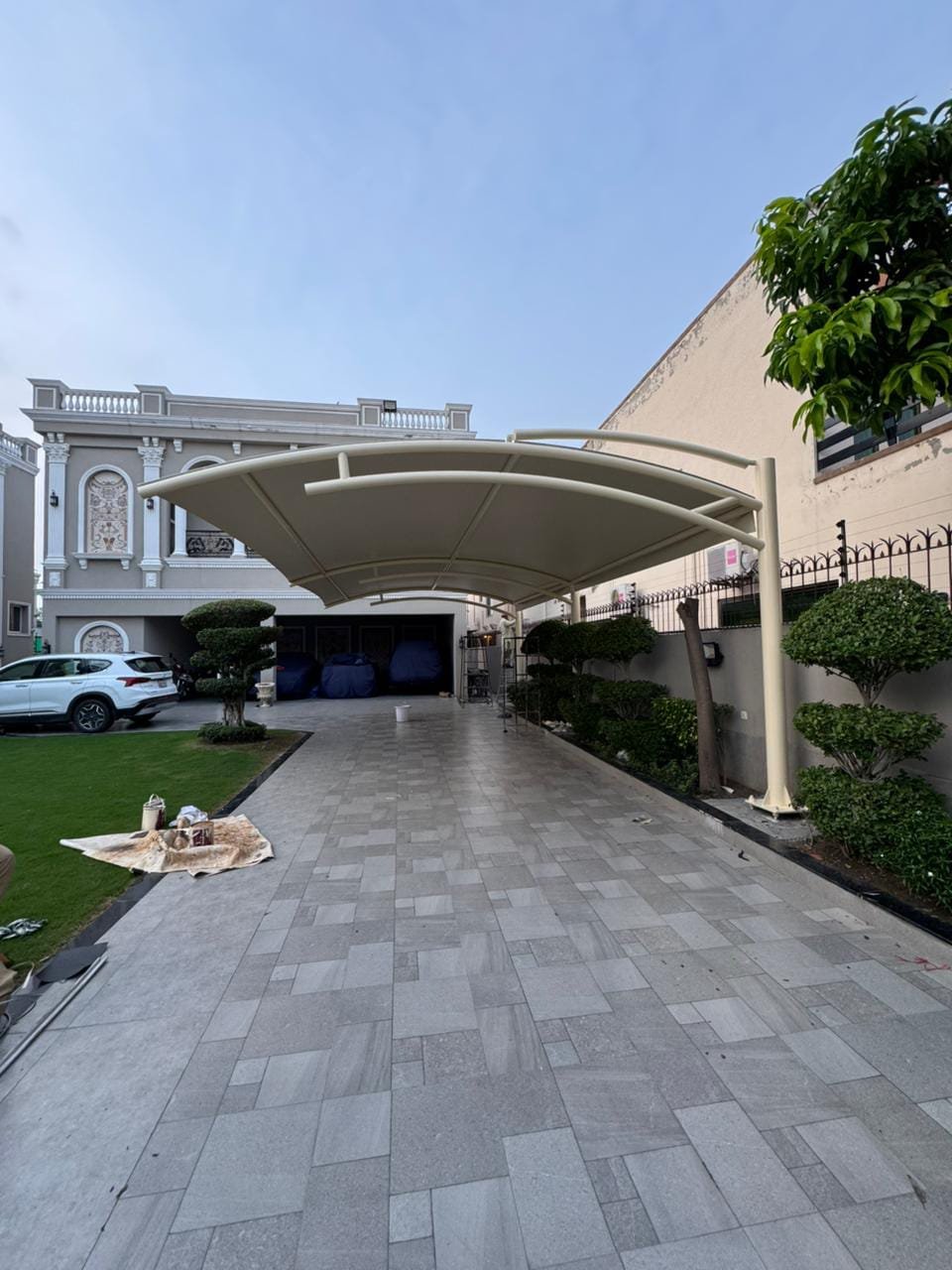
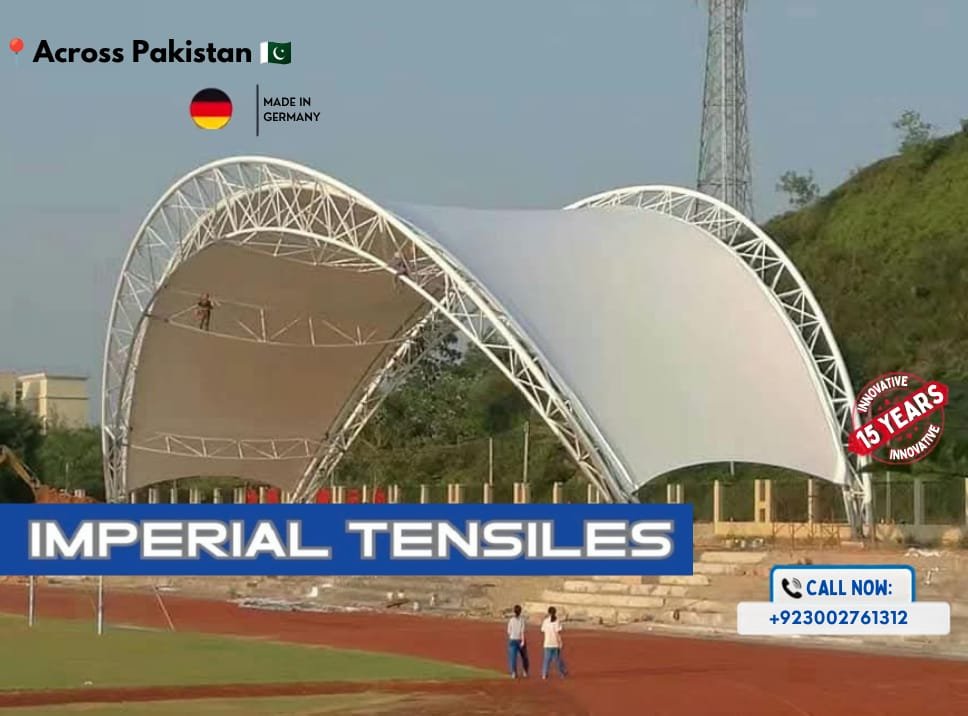
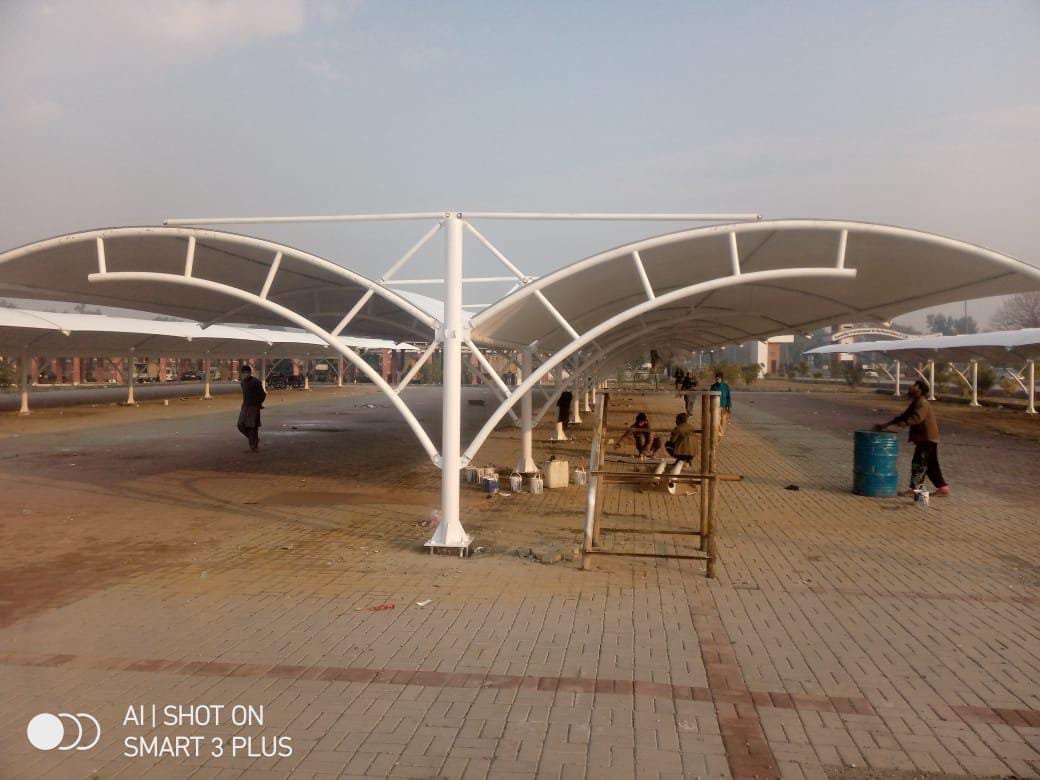
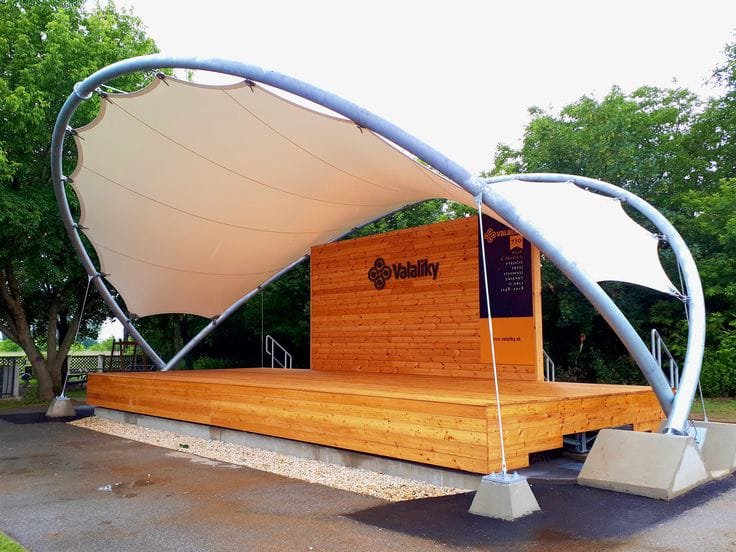
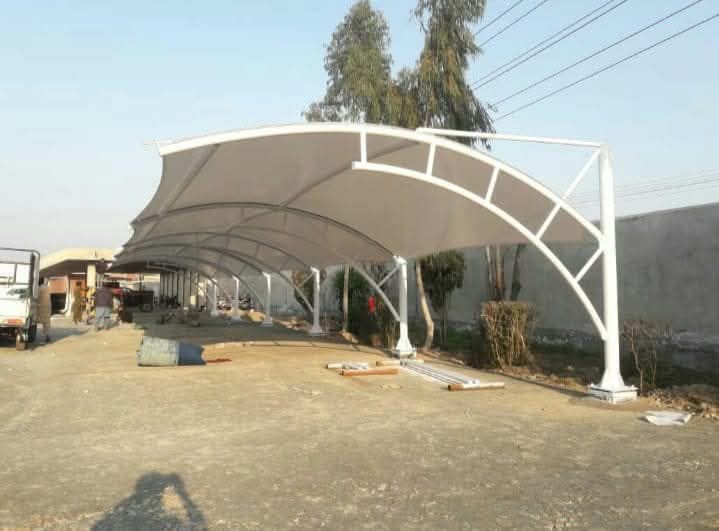
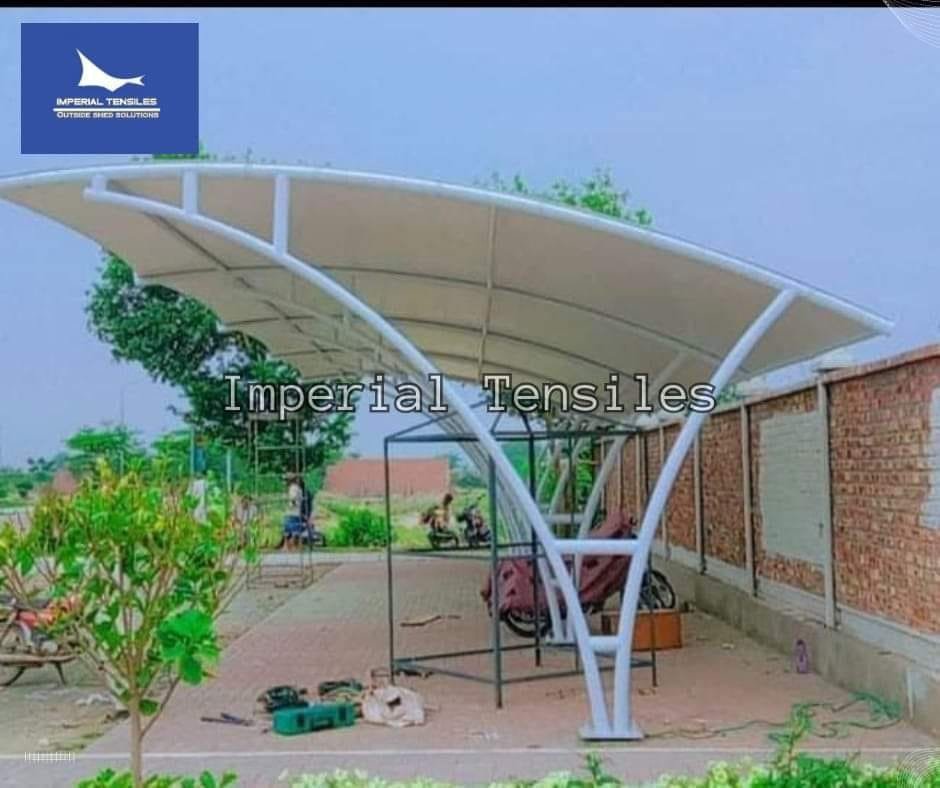
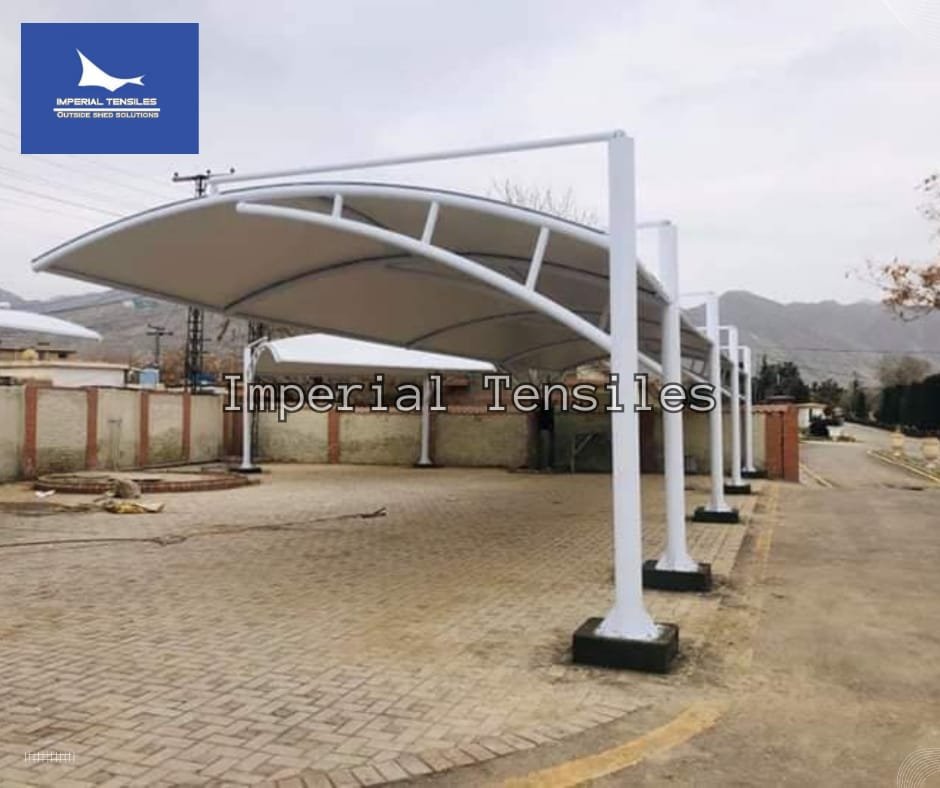
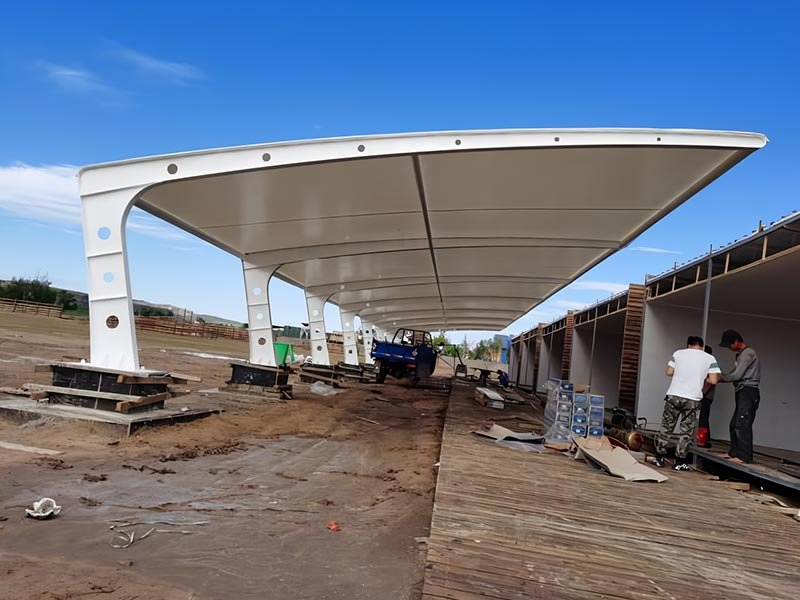
A tensile canopy uses curved, pre-stressed fabric on an engineered steel frame. Cone, wave and saddle shapes create landmark designs that are strong in wind and can be waterproof.
Best for: large school grounds, malls, theme parks and premium housing societies. See famous tensile structure examples for design inspiration.
5. Umbrella Shades
Single-post umbrella structures with square, hexagonal or round fabric tops are ideal for small zones such as sandpits, toddler areas and picnic tables.
6. Full-Cover Play Area Roofs
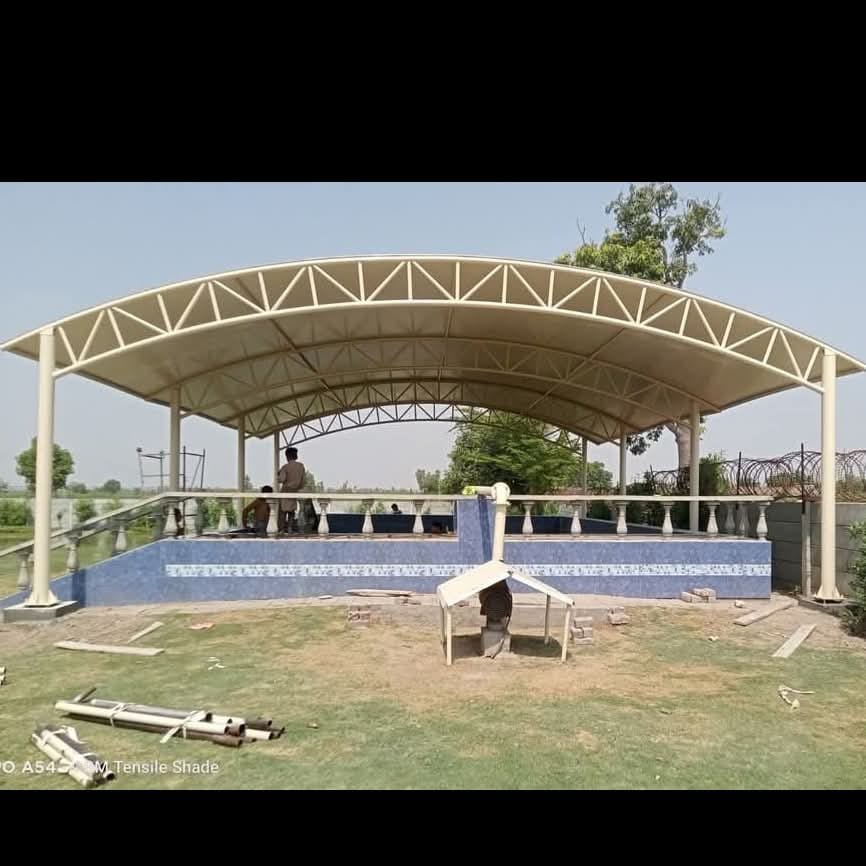
For indoor-outdoor play zones, a long-span tensile roof or barrel-vault canopy can cover the entire area, allowing play even during light rain.
Playground Shade Structures Comparison Table
| Type | Coverage | Rain protection | Posts in play area | Typical use |
|---|---|---|---|---|
| Hip roof | Large, even | With waterproof fabric | Corners only | Schools, parks |
| Cantilever | Medium | With waterproof fabric | One side only | Swings, edges |
| Shade sails | Flexible | Usually not (HDPE) | Several, spread out | Parks, cafés |
| Tensile canopy | Large | Yes | Few | Schools, malls |
| Umbrella | Small | Limited | One central post | Sandpits, tables |
| Full cover roof | Whole area | Yes | Perimeter | All-weather play |
Choosing Fabric for Playground Shade Structures
HDPE Shade Cloth
The most popular fabric for playground shade structures. It is knitted, breathable and blocks a high percentage of UV while letting hot air escape upward. It does not stop rain, but it dries quickly and stays cooler underneath than solid fabrics.
PVC/PVDF-Coated Polyester
Waterproof and strong, ideal where rain cover is needed, such as school assembly areas or play zones next to classrooms. A PVDF top coat helps it resist dirt and UV.
Colour Choice
Bright colours make play areas cheerful, but colour also affects comfort. Light colours reflect more heat; darker colours can block more visible light and glare. Many designers mix colours: a neutral main canopy with bright accent sails. Our article on PVC vs HDPE vs PVDF tensile fabric explains the technical differences.
Design and Safety Rules
Playground shade structures must be safe as well as cool. Follow these principles:
Keep Posts Out of Fall Zones
Every piece of play equipment has a “use zone” or fall zone around it where children may land or run. Posts must sit outside these zones. International playground standards (such as EN 1176 in Europe and ASTM F1487 in the USA) define these areas; ask your equipment supplier for the layout.
Provide Enough Height
The fabric must sit well above the highest platform, slide top or climbing frame so children cannot reach or climb onto it. Many designers leave at least 2 metres clear above the highest standing surface, and more for tall equipment.
Pad and Protect Posts
Use round posts, smooth welds and post padding where children run close by. Avoid sharp edges, protruding bolts and climbable bracing.
Design for Wind
Large fabric roofs catch wind. Foundations and fittings must be engineered for local gusts and dust storms. Read our article on wind and dust storm design.
Plan for Shadow Movement
The shadow moves with the sun. Position playground shade structures so they cover equipment during the hours of heaviest use, usually late morning to mid-afternoon for schools and late afternoon for parks.
Use Fire-Rated and Non-Toxic Materials
Choose fabrics with fire-performance certification where required and coatings that are safe for children.
Planning Playground Shade Structures: Step by Step
- Survey the site: measure the play area, mark equipment, fall zones, trees and underground services.
- Study usage times: note when children play the most.
- Choose the structure type based on layout and budget.
- Select fabric and colours for UV protection, rain needs and style.
- Get engineered drawings for steel, fittings and foundations.
- Install during holidays or off-hours to avoid disrupting play.
- Inspect after installation and set a maintenance schedule.
What Affects the Cost of Playground Shade Structures?
Costs vary by city, steel prices and fabric imports, so focus on the factors that drive the price:
- Covered area: the biggest single factor.
- Structure type: cantilevers and long-span canopies need more steel than simple hip roofs.
- Height: taller structures over large equipment need bigger posts and footings.
- Fabric: HDPE is economical; PVDF-coated PVC costs more but adds rain protection and longer life.
- Steel finish: galvanising and powder coating protect against rust.
- Site conditions: working around existing equipment, rubber flooring or tight access adds labour.
- Extras: post padding, signage, lighting and gutters.
Use our list of questions to ask a tensile shed contractor to compare quotations fairly.
Playground Shade Ideas by Location
Schools
Schools need durable playground shade structures that cover play equipment, assembly areas and walkways. A combination of a large tensile canopy over the main play zone and smaller sails over seating works well. Waterproof fabric lets the area double as an outdoor classroom.
Public Parks
Parks benefit from colourful shade sails or hip roofs over equipment, plus umbrella shades over benches. Strong, vandal-resistant fittings are important in public spaces.
Housing Societies
Gated communities use playground shade structures to make parks family-friendly in summer. Coordinated colours and designs improve the look of the whole society.
Restaurants and Cafés
A shaded kids’ corner keeps families seated longer. Bright sails or a small tensile canopy make the area visible from the road and attract customers.
Malls and Theme Parks
Large, sculptural tensile canopies create a landmark and protect queues, rides and play areas. Lighting under translucent fabric adds a night-time attraction.
Nurseries and Daycare Centres
Small children need full, dependable shade. Umbrellas and low-height sails (still above reach) over sandpits and toddler equipment are ideal.
How Shade Changes Playground Temperatures
Anyone who has touched a metal slide on a summer afternoon knows how hot equipment can get. Dark rubber flooring, plastic panels and steel rails absorb sunlight all day and can reach temperatures far above the air temperature. Under well-designed playground shade structures, those same surfaces stay much cooler because they are no longer exposed to direct sun.
Several factors decide how much cooler a shaded area feels:
- Fabric type: breathable HDPE lets trapped heat rise and escape; solid fabrics block more light but need good ventilation.
- Height: higher canopies let hot air move away from children more easily.
- Colour: light colours reflect more solar heat; dark colours absorb more but reduce glare.
- Coverage timing: shade must fall on the equipment at the hours children play.
- Surrounding surfaces: grass and planting stay cooler than concrete and asphalt around a play area.
Combining playground shade structures with trees, grass borders and light-coloured flooring gives the coolest result.
Design Ideas That Children Love
Shade can be part of the fun, not just protection. Popular ideas include:
- Rainbow sails: layered triangles in bright colours create a playful, photogenic space.
- Animal and nature themes: canopies shaped like leaves, petals or waves.
- Printed fabric: school logos, alphabets or simple patterns printed on the membrane.
- Light at night: LED uplights turn translucent canopies into glowing features for evening use.
- Shaded learning corners: benches and boards under a canopy for outdoor lessons and storytelling.
Good design makes the play area a destination, which increases its value for schools, societies and businesses alike.
Maintenance of Playground Shade Structures
- Inspect monthly for loose fittings, worn fabric and sharp edges.
- Check tension after storms and re-tension sails if needed.
- Clean fabric a few times a year with water and mild soap.
- Remove HDPE sails before forecast extreme storms if the design requires it.
- Touch up paint and treat any rust promptly.
- Keep records of inspections for safety audits.
For more detail, follow our tensile shade maintenance tips.
Benefits for Schools and Businesses
Investing in playground shade structures brings benefits beyond comfort:
- Child safety: less UV exposure and fewer burns from hot equipment.
- Longer equipment life: less UV damage to plastics and rubber.
- Higher usage: play areas stay busy through the day.
- Positive reputation: parents notice and appreciate shaded play spaces.
- Brand visibility: colourful canopies can carry school or business colours.
- All-season use: waterproof canopies allow play and outdoor events in light rain.
Playground Shade Structures Checklist
Use this quick checklist before you approve a design:
| Check | Why it matters |
|---|---|
| Posts outside fall zones | Prevents collisions and injuries |
| Fabric well above equipment | Stops climbing and reaching |
| UV rating of fabric confirmed | Ensures real sun protection |
| Wind calculations provided | Keeps the structure safe in storms |
| Foundations designed | Resists uplift and overturning |
| Galvanised or powder-coated steel | Prevents rust |
| Smooth welds and padded posts | Protects running children |
| Drainage planned | Keeps play surfaces dry |
| Maintenance schedule agreed | Keeps the structure safe for years |
| Warranty in writing | Protects your investment |
If a supplier cannot answer each point clearly, ask for more detail or compare another quotation. Safe playground shade structures start with a careful design review, not just an attractive drawing.
Common Mistakes to Avoid
- Posts inside fall zones, creating collision risks.
- Fabric too low, allowing children to climb or reach it.
- Shading at noon only, leaving equipment in the sun during peak play times.
- Cheap fittings that rust or fail in storms.
- No engineering, leading to undersized footings.
- Ignoring drainage, so rain from waterproof roofs floods the play surface.
- No maintenance plan, letting small issues become safety hazards.
Playground Shade Structures in Pakistan
Pakistan’s climate makes playground shade structures especially valuable. Intense summer sun, high UV and long school terms that run through hot months mean unshaded playgrounds sit empty for much of the day. Monsoon rains favour waterproof fabric in some locations, while dust storms require strong, engineered fittings. Imperial Tensiles designs play area shades for schools, parks, societies and businesses across the country, using UV-stabilised fabric and galvanised steel.
Frequently Asked Questions
What is the best shade structure for a playground?
For large playgrounds, hip-roof or tensile canopies give even coverage with few posts. For irregular areas, layered shade sails are flexible and cost-effective. The best playground shade structures keep posts out of fall zones and cover equipment during peak hours.
How much UV does playground shade fabric block?
Quality HDPE shade cloth and coated fabrics block a high percentage of UV. Check the manufacturer’s rating for the exact figure of the fabric you choose.
How high should a playground shade structure be?
The fabric should sit well above the highest platform or slide so children cannot reach it. Many designs allow at least 2 metres of clearance above the highest standing surface.
Do playground shade structures need planning permission?
Permanent structures may need approval from local authorities or your housing society. A professional supplier can provide the drawings needed.
How long do playground shade structures last?
Steel frames can last many years with good corrosion protection. HDPE fabric typically lasts around 5 to 10 years, and quality PVDF-coated fabric around 10 to 20 years.
Can playground shade structures be removed in winter?
Yes. Many HDPE sails are designed to be taken down in winter so children can enjoy the warm sun, then refitted in spring. Permanent tensile canopies stay up all year and are designed for every season, so choose based on how you use the space.
Conclusion
Playground shade structures protect children from harmful UV, keep equipment cool and make play areas usable all day. Choose the right type for your layout, keep posts out of fall zones, use quality fabric and engineered fittings, and maintain the structure regularly. Contact Imperial Tensiles to design safe, colourful playground shade for your school, park or business anywhere in Pakistan.
Further reading: WHO guidance on sun protection.